BUYER GUIDE · NEW CONSTRUCTION
Buying a New Construction Home in Keller, Texas: What to Know Before You Sign
SEPTEMBER 18, 2026 · BY AARON KINN · KELLER, TEXAS
New construction is one of the most popular ways to buy in Keller’s growing 76244 corridor, but the process is genuinely different from buying a resale home. The contract is the builder’s, the earnest money often turns non-refundable once construction starts, and the tax bill can carry special district costs on top of the usual city, county, and school taxes. Here is what to watch for at every step, from picking a community to the walkthroughs that protect your warranty.
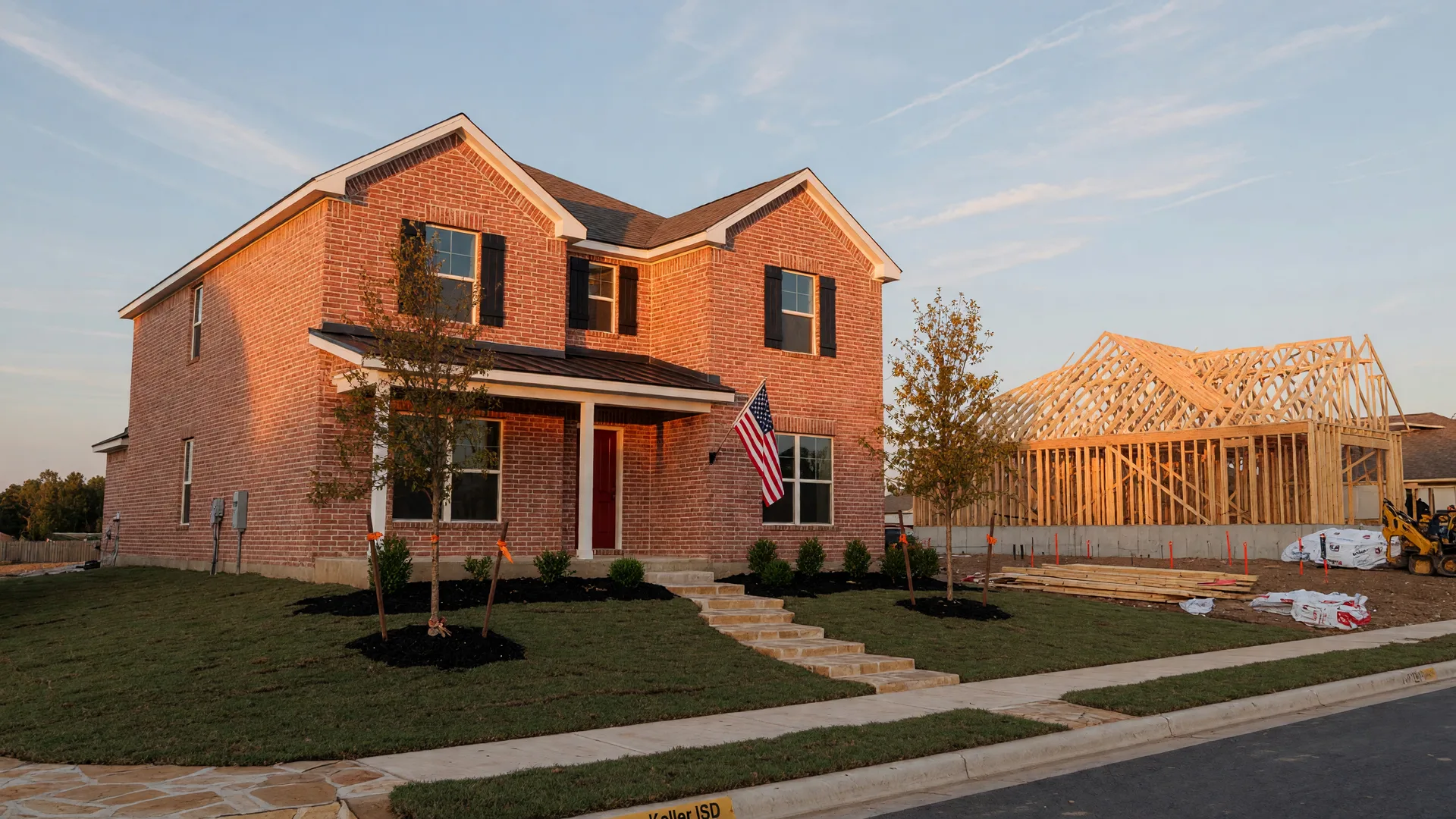
Why New Construction Keeps Growing Around Keller
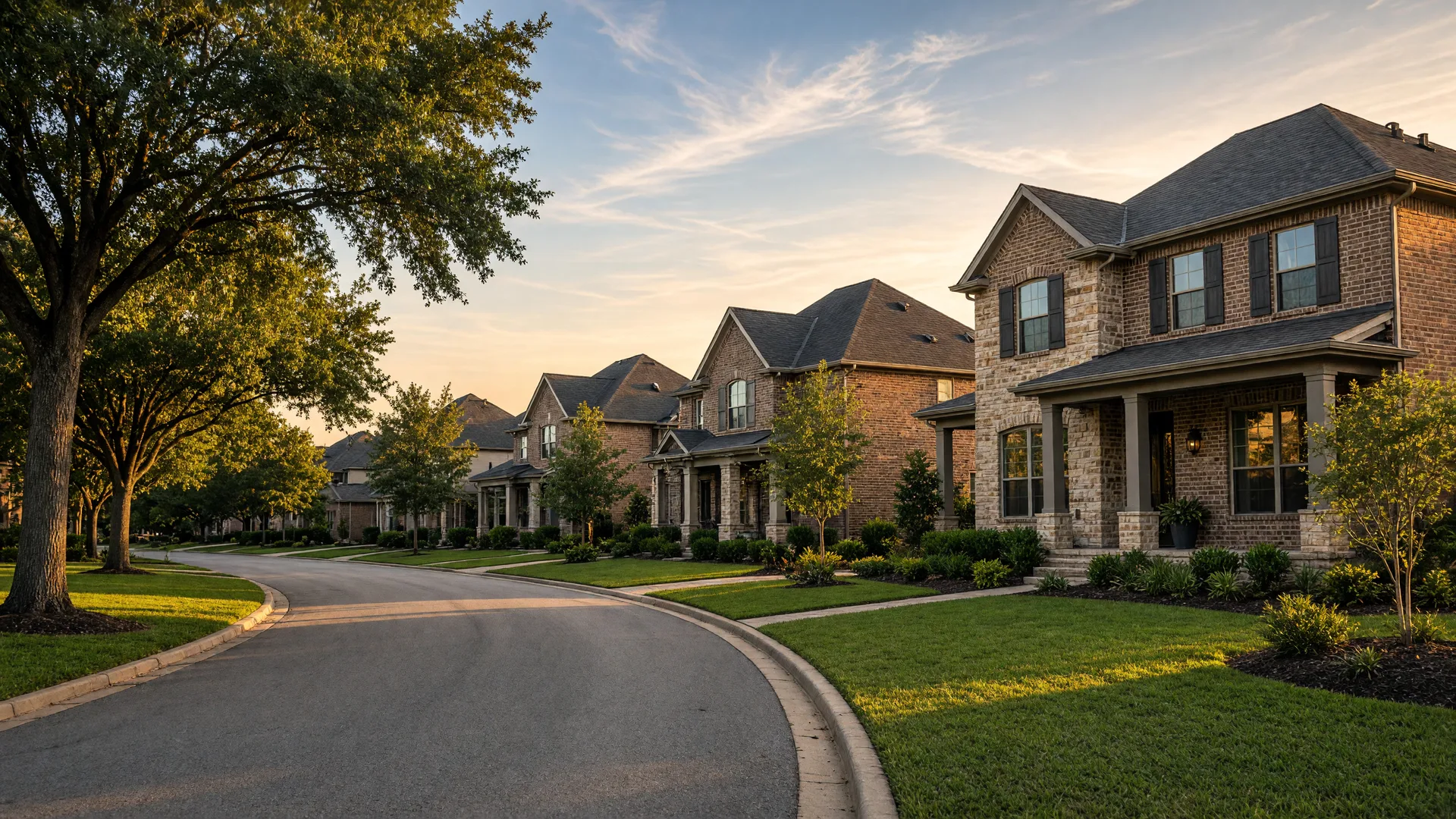
The 76244 side of Keller is where the building is happening. This is the zip code of newer master-planned communities with pools and amenity centers, commuter access in every direction, and Keller ISD schools, and builders have kept it supplied with fresh inventory through the market’s ups and downs. If you are entering the Keller market, a brand-new home is a realistic option at more price points than people expect.
Right now the activity is spread across a few communities worth knowing. Crawford Farms, a Keller ISD community on the Fort Worth side of 76244, has a new phase by Hanover Property Company in the works, with pricing not yet released. D.R. Horton’s Keller Crossing at 11544 Hartwell Lane brought a wave of homes to 76244 that started in the low $400,000s. And across the line into 76248, the custom side of new construction shows the range: Bella Casa by American Legend Homes recently listed homes from roughly $865,000. NewHomeSource currently tracks about 40 new and upcoming communities across the wider Keller market, so the options reach well beyond any single street.
One caveat: builders release pricing and lots in phases, so what is available today can shift within weeks. Treat any price you see online as a starting point and confirm it against the builder’s current release on the day you visit.
The Contract Is Not the Same as a Resale Contract
In a standard resale, Texas buyers use the widely used One to Four Family Residential Contract, which includes a negotiated option period, typically 7 to 10 days. Within that window you can terminate the contract for any reason and get your earnest money back, for a small option fee paid to the seller. That escape hatch does not automatically exist on a new build.
Most builder contracts are drafted by the builder rather than using the state resale form, and many do not include an option period at all. Earnest money on new construction is often structured in layers tied to the base price, structural options, and your lot, and it is typically refundable until construction begins, then becomes non-refundable once the builder starts work. Before you sign, have your agent review the contract with you, and do not hesitate to ask for an addendum that protects your deposit. The gap between a resale contract and a builder contract is exactly where buyers get unpleasantly surprised, so go in knowing what each line means.
The New-Home Buying Process, Step by Step
The good news is that the new-construction path is a well-worn one. The work is in knowing the steps in order and not skipping the protection points in the middle.
Get pre-approved before you visit the sales office
Builders will happily run your numbers, but a pre-approval from a lender you choose tells you what you can actually afford before the sales office shapes the conversation. Budget and pre-approval basics are covered in the 2026 buyer’s playbook.
Choose the community and the lot with your eyes open
Drive the area at different times of day, verify the school zone by address, and check what is planned around the community, not just what is built. The neighborhood checklist walks through exactly how to compare two communities fairly.
Know what the base price actually includes
The model home is loaded with upgrades. The base price covers standard finishes, and every extra lives in the design center, where costs climb fast. Set a separate options budget before you walk in the door.
Read the contract before the design center
Once you sign, changes get priced at builder rates and deposits can become non-refundable. Understand the build timeline, the price code policy if costs rise, and what happens if delivery is delayed, before you commit to upgrades.
Walk the frame before the drywall goes up
Most builders offer a pre-drywall walkthrough so you can see the plumbing, electrical, and framing while they are still visible. Take photos, ask questions, and make a punch list. It is the cheapest fix window you will ever get.
Schedule an independent inspection before closing
The builder’s final walkthrough is not a substitute for your own inspector. A brand-new home can still have real issues, and finding them before you close is far easier than after.
Do the 11-month warranty sweep
Your one-year warranty expires fast. Most buyers do a warranty walkthrough around month 11, listing every item for the builder to fix while the coverage is still live.
The Texas 1-2-10 Warranty: What It Covers and What It Doesn’t
Under Texas law, a builder that provides a written warranty meeting the statutory minimums typically covers three tiers. Year one covers workmanship and materials, things like paint, trim, drywall, flooring, and doors. The second year covers the plumbing, electrical, heating, and air-conditioning systems. And the warranty extends to ten years on major structural components, meaning the foundation, load-bearing walls, and roof structure.
Two details are worth flagging. First, a 2023 state law means a builder who issues a written 1-2-6 warranty, six years on structural components instead of ten, may qualify for a shorter deadline on structural claims, so read the term on the document, not just the marketing. Second, the warranty only counts if it is written into your contract, and coverage language varies by builder. Read the warranty document before you sign and keep it somewhere safe; it is the document you will rely on in year one.
Do the Math on MUD and PID Taxes Before You Fall in Love With the Lot
A lot of new communities in the Keller and north Fort Worth corridor sit inside special districts, and the costs show up as extra lines on your property tax bill.
A MUD, or municipal utility district, builds the water, sewer, and infrastructure for a new community and levies its own property tax to pay for it. That tax tends to shrink as the district builds out and more homes share the debt. A PID, or public improvement district, funds roads, drainage, parks, and amenities through a special assessment with a fixed term, often 20 to 30 years, in addition to base taxes.
To make it concrete: the Heritage community on the north Fort Worth side of 76244, zoned to Keller ISD, falls in Fort Worth PID 7, which carries a residential special assessment of roughly $0.145 per $100 of assessed value on top of base taxes. Over the life of a district, these assessments can add tens of thousands of dollars to the total cost of owning the home, so that number belongs in your monthly budget estimate right alongside HOA dues.
There is no single rule for which communities have them, so verify every address. Your agent can check the districts, and you can confirm them on the Tarrant Appraisal District records before you commit to a lot.
Incentives: Where the Real Savings Are Hiding
Builders routinely sweeten the deal with closing-cost credits, temporary rate buydowns like a 2-1 or 3-2-1, permanent rate buydowns, design-center credits, and appliance packages. Combined, those incentives routinely reach $15,000 to $40,000 in value, which can meaningfully change the monthly payment math.
The catch: many incentives are tied to using the builder’s preferred lender. You can still shop your own financing, but know that switching lenders can shift those credits back to you. Get quotes from both sides, add the value of the incentives into the comparison, and have your agent help you evaluate the trade-off. New construction is one of The Kinn Team’s specialties, and it comes with a builder network we know and representation that protects your interests from the lot selection to the closing table. You can read about that work on the services page.
Frequently Asked Questions
Do I need a real estate agent to buy a new construction home?
Yes, and register them on your first visit. The sales representative in the model home works for the builder, not for you. Most builders pay the buyer’s agent a commission, typically around 2 to 3 percent of the price, but only if the agent is registered when you first walk in. Walking in without one does not lower your price; it just means the builder keeps the marketing budget it would have paid your agent.
Can I negotiate on a new construction home?
Usually, yes, and the flexibility often grows as a community sells through. Expect room to negotiate on options, incentives, closing-cost credits, and sometimes on the price of spec homes and closeout inventory the builder is ready to move.
Should I get an inspection on a brand-new home?
Yes. New homes can have real issues, and an independent inspection before closing, plus your own checklists at the pre-drywall and final walkthroughs, catches them while they are easy to fix. And do the warranty sweep before the one-year mark so nothing expires unfixed.
What is the difference between a MUD and a PID?
A MUD is a special district that builds a community’s water and sewer infrastructure and taxes residents to pay for it, with the tax tending to go down over time as build-out grows. A PID is a special assessment district, usually city-created, that funds roads, parks, drainage, and amenities through an extra assessment running a fixed term, often 20 to 30 years. Some communities in the 76244 corridor carry one or the other, so verify the districts for your specific address with the Tarrant Appraisal District before closing.
Your next step: if you are weighing a new build against a resale, or want someone in your corner at the sales office, the fastest way to get answers is a conversation.
Sources and a Note on the Numbers
Community examples and price points draw on NewHomeSource’s 76244 and Keller new-home listings plus current builder releases, which shift constantly, so prices here are direction, not precision. The warranty outline follows Texas Property Code Chapter 430, and the option period explanation follows the Texas Real Estate Research Center at Texas A&M. PID and tax details come from the City of Fort Worth and Tarrant County. Rates, credit values, and incentive packages change release to release, so confirm the details for the specific community and lot you are considering before you sign.
For a closer look at the growing side of town, visit the 76244 guide. For the current picture at your specific address, the fastest route is a conversation.

Written by

Aaron Kinn
Broker Associate, Team Leader, eXp Realty, LLC · A.I. Certified Agent™
For 25 years I have helped buyers and sellers across the Dallas-Fort Worth Metroplex, with Keller as home market.
Areas I Serve Across Keller
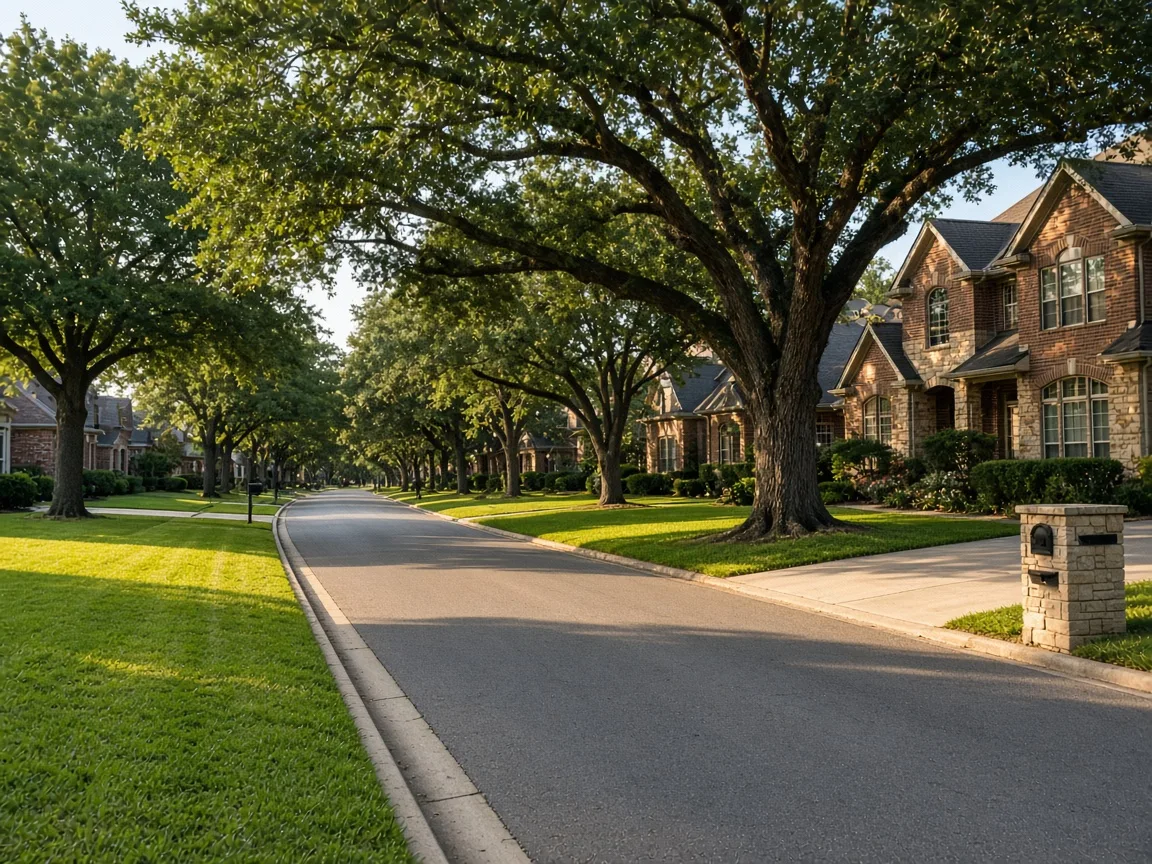
Keller
Established neighborhoods in 76248 and newer construction in 76244, with mature trees and a walkable town center.
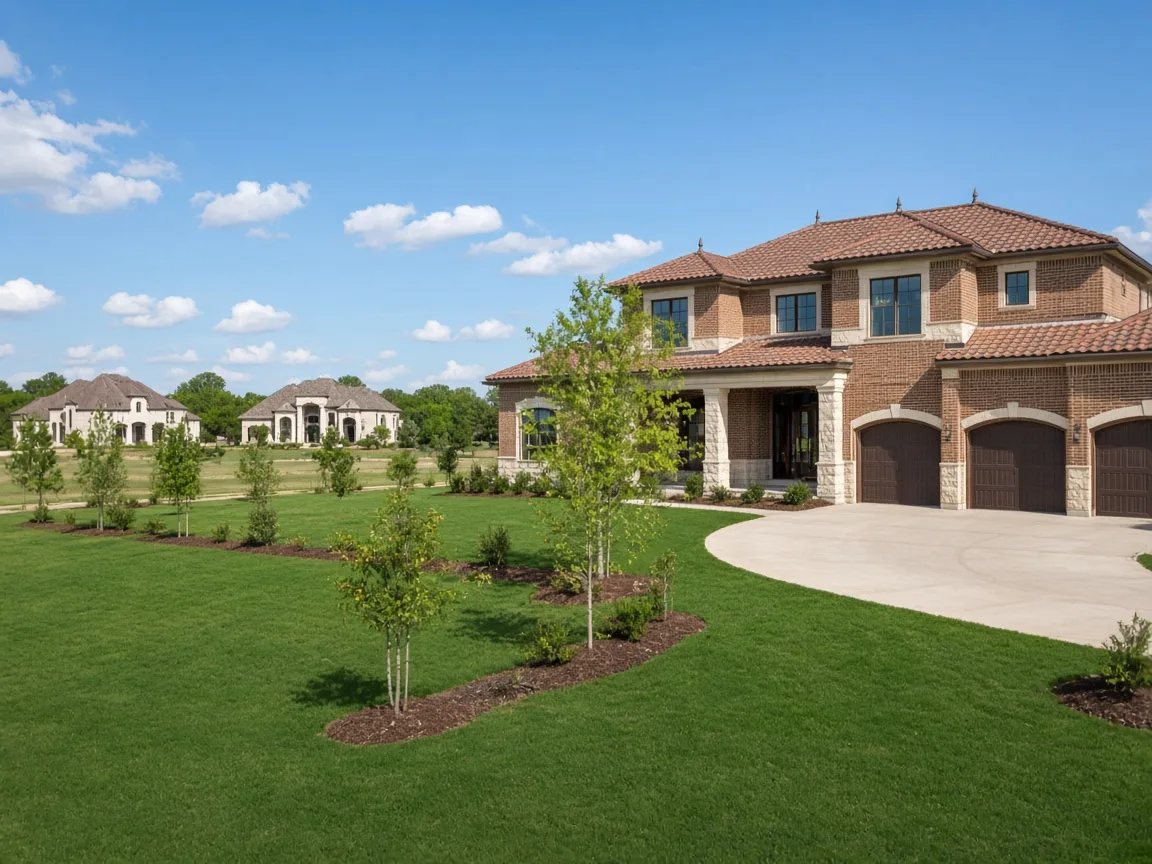
Southlake
Large brick and stone custom homes on generous lots around Southlake Town Square.

Westlake
Gated estate communities with large custom homes on acreage lots.
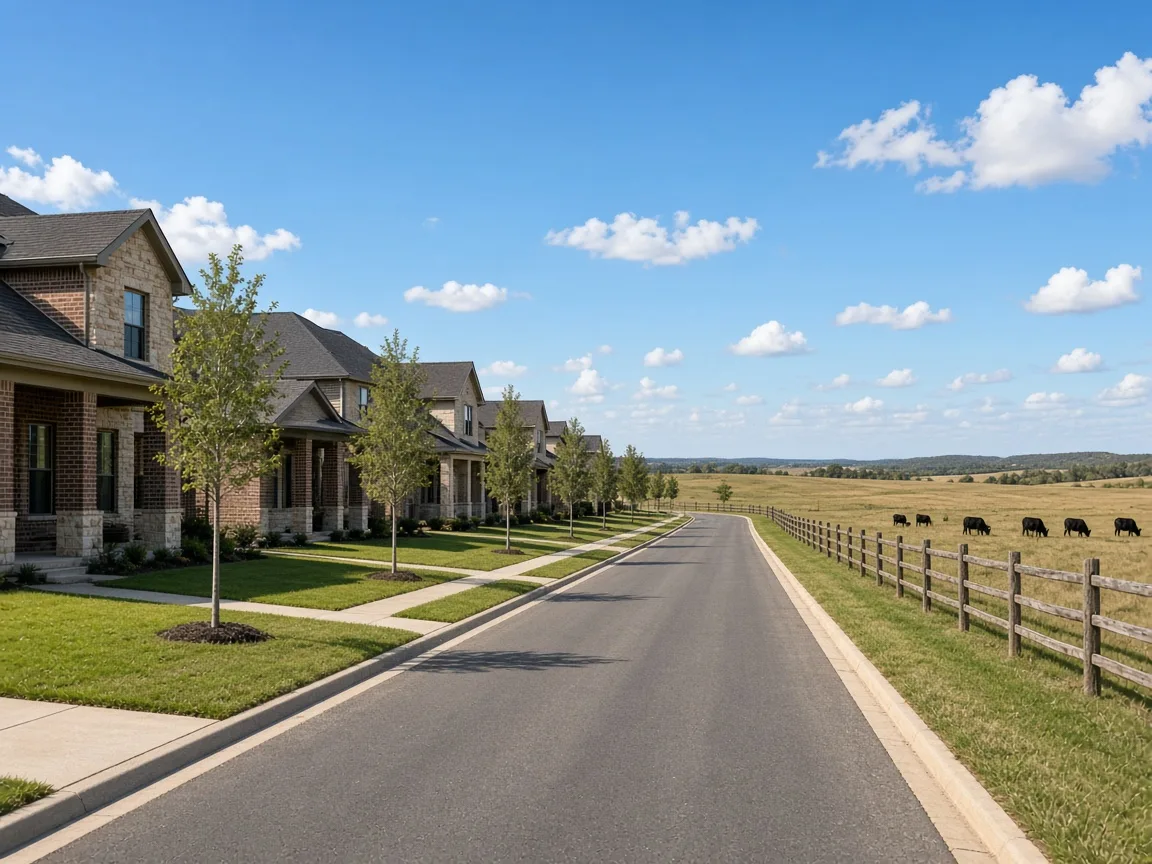
Northlake
Newer master-planned communities beside preserved ranch land along the Alliance corridor.
WORK WITH ME
Buying or Selling in Keller?
Whether you are buying or selling, the first step is a simple, no-pressure conversation.
817-939-6584 · No pressure, no obligation.
Written by
Aaron Kinn
Founder and lead advisor of The Kinn Team, serving buyers and sellers across North Texas with Keller as home market. New construction is one of Aaron’s specialties, and he has guided buyers through builder lots, contracts, and walkthroughs across Keller’s newest communities.