BUYER GUIDE
Acreage in North Texas: Septic, Wells, and What to Check First
NOVEMBER 4, 2026 · BY AARON KINN · KELLER, TEXAS
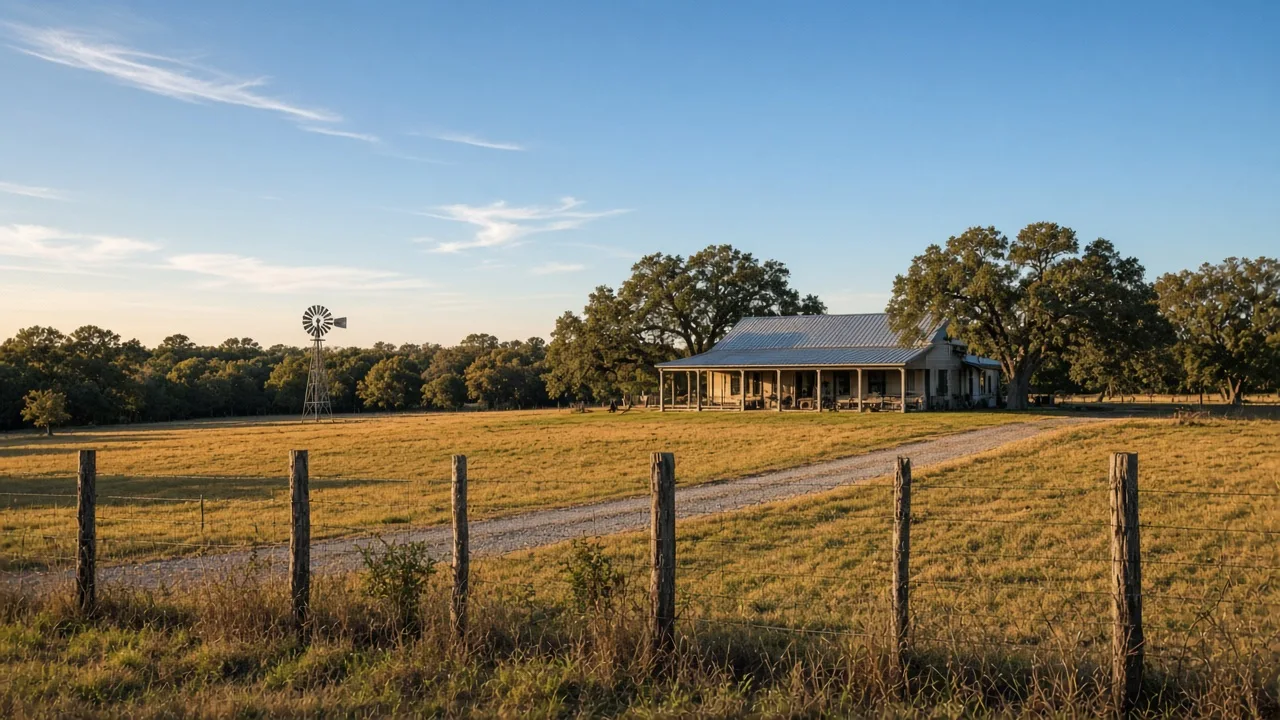
Thinking about trading the HOA for acreage? A few acres outside Keller, in Wise or Cooke County, can mean more space, a slower pace, and a different buying process entirely. The mortgage is only part of it: the septic system, the water well, the survey, the mineral rights, and the tax exemption all become your problem on closing day. Here is the checklist I run with buyers before they write an offer on rural North Texas property.
The Septic System Comes First
On rural property there is often no sewer line at the curb, so the house runs on an on-site sewage facility, or OSSF, which is the official Texas name for a septic system. These systems are regulated under TCEQ rules, Chapter 285 of the Texas administrative code, but the permit usually comes from the county or city, not the state. Before any system is built, a licensed site evaluator or licensed professional engineer has to evaluate the land and design a system that fits the soil. That matters in North Texas: clay soils fail the old percolation tests all the time, which rules out a simple gravity system and pushes buyers toward an aerobic treatment unit with a pump, a blower, and an alarm.
The price difference is real. A conventional gravity system typically runs in the $6,000 to $12,000 range, while an aerobic unit more commonly lands between $9,500 and $20,000, and a full project can top $20,000 before site evaluation, permit, and engineering are added. If you are financing, expect the lender to ask about the system: FHA, VA, and USDA loans typically require a septic inspection before closing.
One trap worth knowing before you tour: a standard Texas home inspection does not cover the septic system. The TREC inspection form expressly excludes on-site sewage facilities, so a clean home inspection tells you almost nothing about the tank. A separate septic inspection typically costs a few hundred dollars and usually includes pumping the tank so the inspector can check the walls, the baffles, and the drain field. On a property that has been lived in for years, that few hundred dollars is the best money you will spend in due diligence.
The Water Well: Read the Report, Test the Water
If the property has a private well, Texas law already gave you a head start: every well driller must file a well report within 60 days of finishing the job. The report lists the well's location, total depth, casing, static water level, and yield, and you can find it in the Texas Water Development Board's groundwater data viewer for wells drilled since 2003, or in TCEQ's water well report viewer for older wells. That report tells you the well is real and how much water it produces. It tells you nothing about water quality.
Texas does not require a seller to test well water at the time of sale, and most lenders will ask for a professional well inspection and water quality testing as a condition of the loan anyway. The state's groundwater experts recommend testing for total coliform and E. coli bacteria, nitrates, and lead, and the wells in some groundwater conservation districts are also subject to local spacing and permit rules you should confirm before you commit. If you are buying a tract where the well still needs to be drilled, budget for it: drilling in Texas commonly runs about $25 to $65 per foot, and a complete residential well with pump, pressure tank, and hookup typically lands in the $12,000 to $22,000 range.
There is a newer disclosure rule worth knowing. The Texas Real Estate Commission's seller disclosure about groundwater and surface water rights, Form 61-0, took effect July 1, 2026, and it requires sellers to disclose wells, groundwater rights, and any unused wells on the property. In a rural purchase, read it carefully: an abandoned well is a real liability, and a well you did not know about can quietly complicate your title.
Order a Survey, Not Just a Title Search
On a city lot, the corners are usually obvious. On five or ten acres, they are opinions until a licensed surveyor draws them. Actual acreage frequently differs from the listing, sometimes by more than you expect, and the survey is what spots the easements, utility lines, pipeline crossings, drainage areas, and encroachments that a title search alone will never show. Your agent should order a new survey during the option period and cross-reference it against Schedule B of the title commitment, which lists the recorded exceptions, including every easement that runs across the place.
Do not assume road frontage means legal access. A tract that touches a county road on the map can still be landlocked as a matter of law if there is no recorded access. Confirm the property has deeded access, and read every easement twice: a pipeline easement can cross a large share of a tract and dictate where you can build, fence, or run livestock. Ask who maintains the road and whether the easement is exclusive, and get the answers in writing before you offer.
Mineral Rights: The Estate Underneath Your Land
This is the one that surprises the most city buyers. In Texas, the mineral estate is dominant over the surface estate. That means whoever owns the minerals under your land, or their lessee, generally has the right to enter the property to explore for and develop them, even after you buy it. Mineral severances are especially common in the counties immediately north and west of DFW, including Wise, Montague, Jack, and Young, so never assume the minerals come with the surface.
Standard title insurance does not cover mineral title, so if the tract sits in a mineral-rich county, your attorney or title company should run a separate mineral title search and you should ask about any existing oil and gas leases. It is not a deal killer: many buyers happily take surface-only title. It is a fact you want to know before closing, not after a rig shows up on the horizon.
The Ag Exemption Belongs to the Land, Not the Owner
Rural listings love to advertise the agricultural exemption, and buyers love the tax bill it produces. The open-space valuation, the official name is a 1-d-1 productivity valuation, is a tax benefit that belongs to the land only while the land keeps qualifying as agricultural use. In Wise County, for example, the appraisal district's guidelines generally require a minimum tract size, with larger minimums once a structure sits on the property, and around 14 acres for wildlife management use. The new owner does not inherit it automatically: you have to meet the county's requirements and file the application with the county appraisal district, typically by April 30.
The risk lives at the other end. If qualifying agricultural use stops, the county can roll back the exemption and collect the taxes that would have been owed for prior years, and that rollback bill can be substantial. Before you close, ask the seller for their exemption approval records and talk to the county appraisal district about what you will need to show to keep it. Cooke County follows the same state-law framework, with the same April 30 filing deadline.
Financing Acreage Is Not Financing a House
If you are picturing a standard 30-year mortgage with 3 to 5 percent down, pause. USDA rural development loans are available in plenty of North Texas outlying areas, but they are built to buy a manufactured or site-built home in an approved rural area, not raw land. For acreage without a house, or a tract you plan to build on later, lenders treat it as a land loan: expect a larger down payment, commonly 20 to 35 percent, an interest rate one to three points above a home mortgage, and a shorter term, often 10 to 20 years. Community banks and Farm Credit lenders are the usual places to start, and it is worth comparing two or three before you make an offer so your offer can carry a realistic financing story.
If you are buying a house on acreage, as opposed to bare land, a conventional or government loan can work as long as the property qualifies, which is exactly the low-down-payment math I walk buyers through in my FHA and VA guide. The distinction is simple: the lender is underwriting a home, and the acreage comes along with it. Keep the two purchases separate in your head, and your expectations will match the market.
The Checklist Before You Offer
Here is the short version to carry with you: order the septic inspection and read the TCEQ rules that apply through your county; pull the well report and run a water test through a licensed lab; order a new survey and read Schedule B of the title commitment; run a separate mineral title search in mineral-heavy counties; confirm the ag exemption passes to you and file on time; and match the financing to what you are actually buying, a house with acreage or land alone. Do those six things and the surprises are mostly handled before you sign.
Looking at acreage in Wise or Cooke County, or anywhere else outside the city limits? I work the whole North Texas footprint, from Keller to Gainesville and the rural counties in between, and I can run the property through this checklist with you before you offer. A conversation is free and it usually saves the expensive lessons.
Frequently Asked Questions
Is a septic inspection included in the standard home inspection?
No. The standard Texas home inspection form expressly excludes on-site sewage facilities, so a clean home inspection tells you almost nothing about the septic system. Ask for a separate septic inspection, which typically costs a few hundred dollars and usually includes pumping the tank so the inspector can see inside it. If you are using an FHA, VA, or USDA loan, plan on your lender requiring one before closing.
Does the driller's report tell me whether the well water is safe to drink?
No. The well report shows the well's location, total depth, casing, static water level, and yield, but it contains no water quality information at all. Texas does not require a seller to test well water at the time of sale, so testing falls to you: most lenders require it, and the Texas Groundwater Protection Committee recommends testing a private well for coliform and E. coli bacteria, nitrates, and lead before anyone drinks from the tap.
Can I use a USDA loan to buy acreage without a house on it?
Generally no. USDA rural housing loans are built to buy a home in an approved rural area, not bare land. For raw acreage, or a tract you plan to build on later, you are usually looking at a land or construction loan from a community bank or a Farm Credit lender, and those loans typically carry a larger down payment, a higher rate, and a shorter term than a standard home mortgage.
What happens to the agricultural exemption when I buy the property?
The open-space valuation stays with the land only while the land keeps qualifying. A new owner has to meet the county's agricultural use requirements and file the application with the county appraisal district by the deadline, typically April 30. If the qualifying use stops, the county can roll back and collect taxes for prior years, so ask for the previous owner's exemption records before you close.
Bottom line: buying acreage in North Texas is a great move when you treat it as a different kind of purchase, because it is. The house, the septic, the well, the survey, the minerals, the taxes, and the loan each have their own rules, and the sellers who priced their property around the romantic version of country living are counting on you to skip the homework. Do the homework, and you will close on the place that actually fits.
Sources and a Note on the Numbers
The septic facts in this post draw on the Texas Commission on Environmental Quality's on-site sewage facilities pages, including the requirements for a permit and a site evaluation, and the cost ranges for conventional, aerobic, and mound systems come from Texas septic industry guides published in 2026. The well facts draw on the Texas Groundwater Protection Committee's buyer FAQ, the Texas Water Development Board's guide to locating a well report, and TCEQ's water well report viewer, with drilling and system cost ranges from well-drilling industry cost guides. The survey, mineral, and financing guidance follows the Texas A&M AgriLife rural land purchasing checklist, and the ag exemption details follow the Wise County Appraisal District's agricultural land use guidelines, with Cooke County applying the same state framework. Ranges, not quotes, are the point: every property, county, and lender is different, and your own numbers should come from the people directly involved in your transaction.
If you are ready to look at acreage in North Texas, or you want a straight read on what a rural property will really take before you offer, a conversation is the fastest way to clarity. That is what I am here for. Schedule a Consultation

Written by

Aaron Kinn
Broker Associate, Team Leader, eXp Realty, LLC · A.I. Certified Agent™
For 25 years I have helped buyers and sellers across the Dallas-Fort Worth Metroplex, with Keller as home market.
Areas I Serve Across Keller

Keller
Established neighborhoods in 76248 and newer construction in 76244, with mature trees and a walkable town center.
Southlake
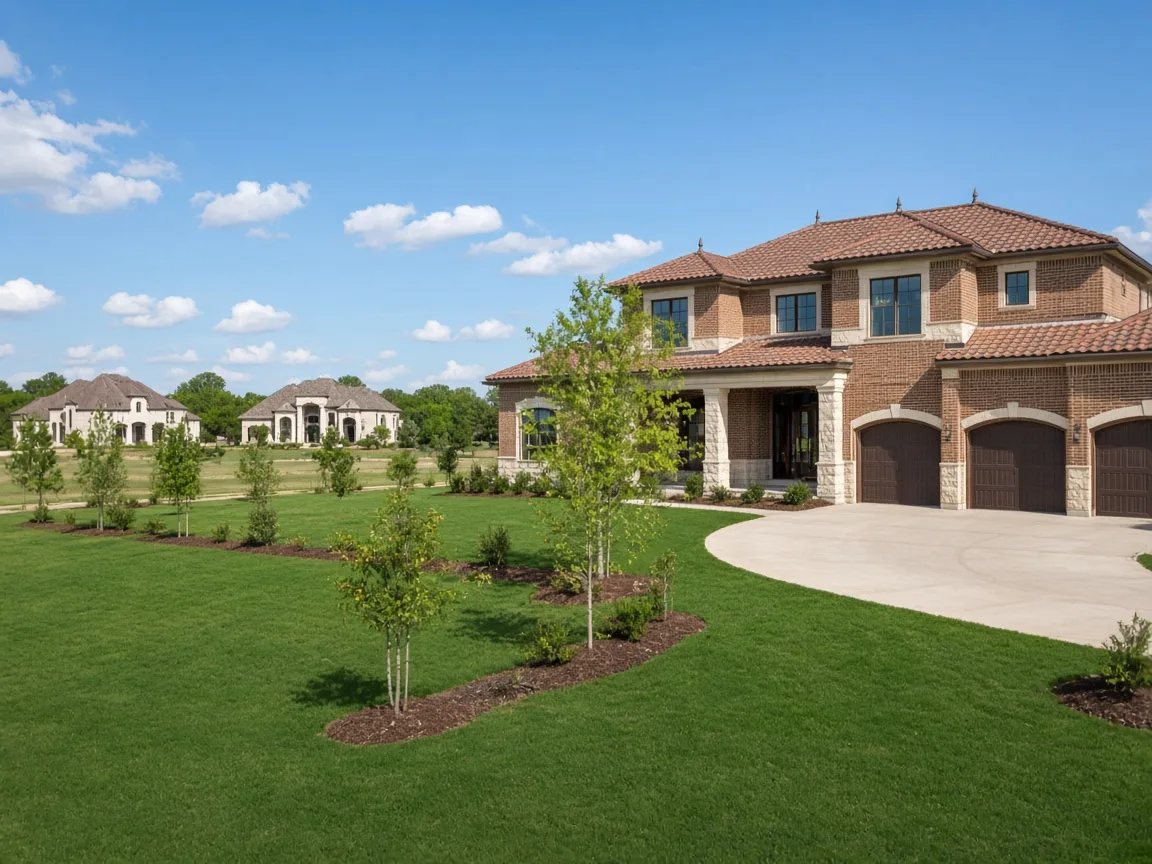
Large brick and stone custom homes on generous lots around Southlake Town Square.

Westlake
Gated estate communities with large custom homes on acreage lots.
Northlake
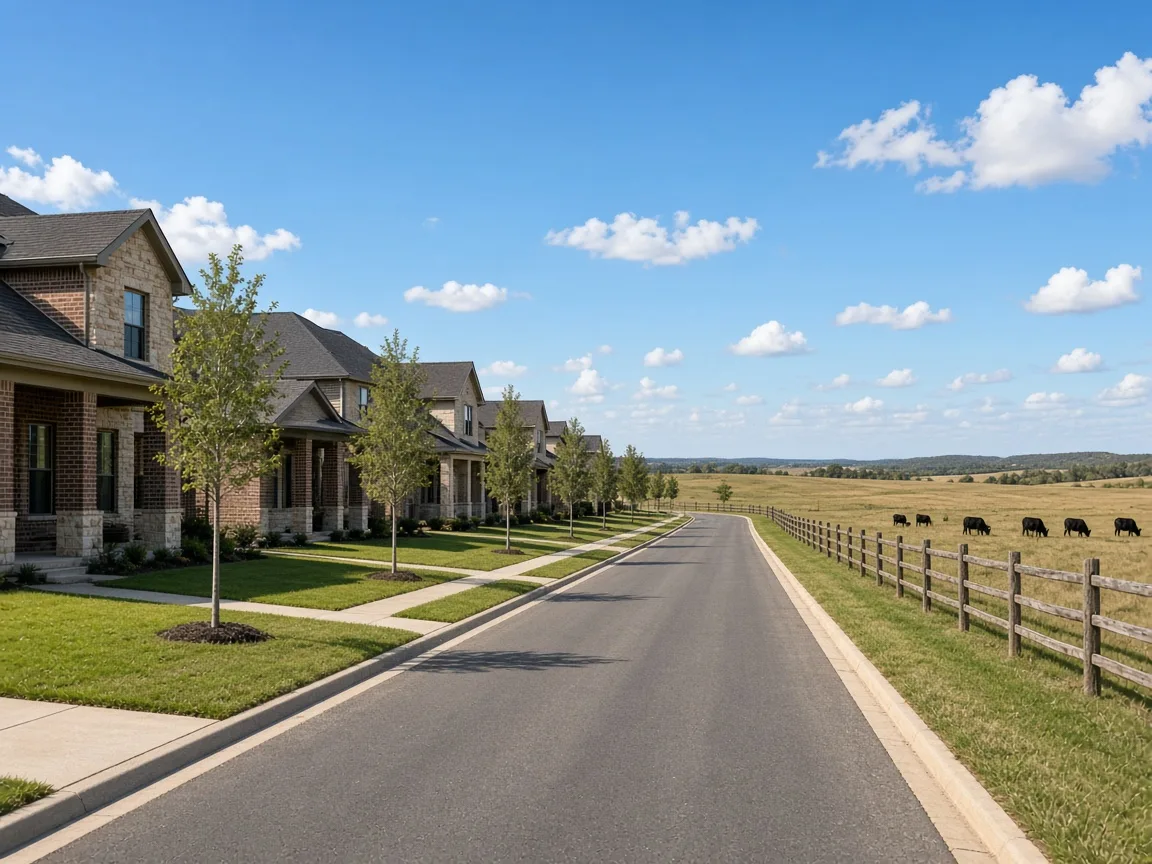
Newer master-planned communities beside preserved ranch land along the Alliance corridor.
WORK WITH ME
Buying or Selling in Keller?
Whether you are buying or selling, the first step is a simple, no-pressure conversation.
817-939-6584 · No pressure, no obligation.
Written by
Aaron Kinn
Founder and lead advisor of The Kinn Team, serving buyers and sellers across Tarrant, Dallas, Denton, and Cooke counties and the surrounding rural areas, with Keller as his home market. Over 25 years in the business, he has guided more than 3,100 families home, from first-time buyers in 76244 to acreage purchases in Wise County and beyond.