BUYER & SELLER GUIDE
Home Appraisals in Texas: A Guide for Keller & DFW Buyers and Sellers
OCTOBER 21, 2026 · BY AARON KINN · KELLER, TEXAS
Almost every financed home sale in Texas runs through a professional appraisal, and yet buyers and sellers treat it like a mystery box that decides their fate somewhere offstage. It doesn't have to feel that way. Here is how the appraisal actually works in a North Texas purchase, what it costs, where it sits in your contract, what happens when the number comes in low, and the difference between an FHA and a conventional appraisal.
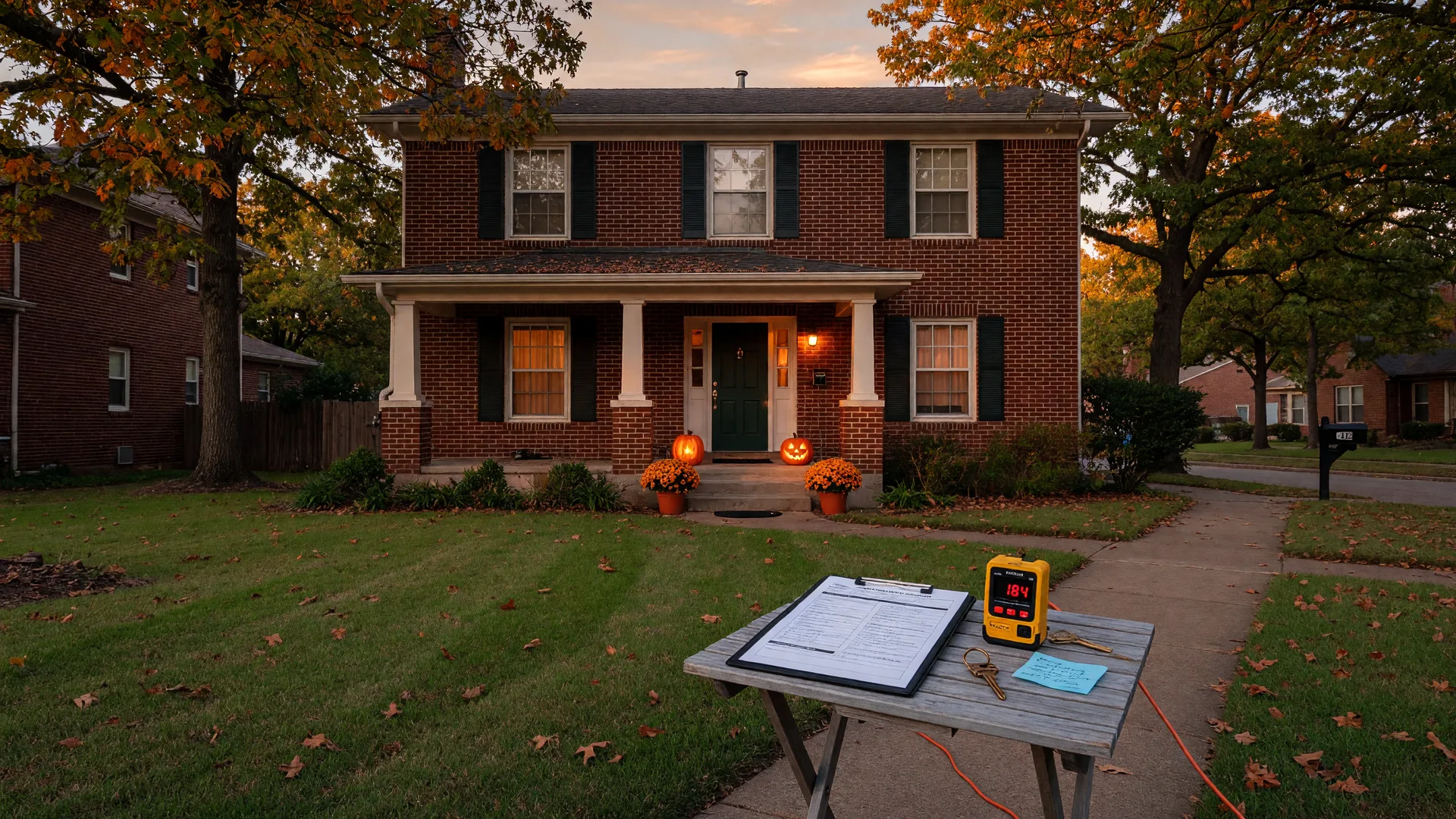
What an Appraisal Actually Is: An Independent Opinion of Value
An appraisal is a licensed professional's independent opinion of a home's market value, ordered by the lender, not by you or the listing agent. In Texas, appraisers are licensed and certified through the Texas Appraiser Licensing and Certification Board, and they are required to report what the market supports, not what would make a deal work. The lender uses the appraised value to decide how much it is willing to lend, because the lender's collateral is the house.
That independence is the whole point. Your agent may believe your offer is a steal, the seller may believe the opposite, and the lender politely ignores both. The appraiser looks at the subject home and compares it to recent similar sales, then reconciles everything into one number. For sellers in Keller's 76248 and 76244, understanding that number matters as much on the way out as it does on the way in: the same process that sizes your buyer's loan also confirms what your listing was actually worth.
What an Appraisal Costs in North Texas, and Who Pays
In the Dallas-Fort Worth area in 2026, a standard single-family appraisal typically runs about $350 to $650, and many straightforward suburban homes land in the $300s to $400s. Bigger, older, or more complex properties, homes on acreage, and cases with few nearby comparables can push the fee higher, sometimes to $1,000 or more. The buyer pays the fee, usually collected at application or included in closing costs, and it is not refunded if the deal falls apart. The appraiser did the work either way.
One timing note for buyers: the appraisal fee is the price of a lender requirement, not a negotiable line item, and it sits alongside the other due-diligence costs you already know, like the inspection. If you want the full stack of costs to plan for, the real monthly cost of homeownership guide walks through what hides behind the mortgage payment, and the offer to closing play-by-play shows where the appraisal lands in the overall timeline.
Where the Appraisal Sits in Your Texas Contract
Here is the part most buyers discover late: the Texas Real Estate Commission's One to Four Family Residential Contract does not contain a standalone appraisal contingency. Instead, for financed purchases, financing approval under the Third Party Financing Addendum includes what is called Property Approval, and the appraisal is baked into it. In plain terms, an appraised value at or above the contract price is part of what makes the financing officially work.
That structure quietly protects buyers in a specific way. If the appraisal comes in low and the lender will not lend the full amount, the financing has failed on the property side, and the contract gives the buyer a path out: written notice to the seller plus a written statement from the lender explaining why approval was not obtained, delivered no later than three days before closing. The earnest money comes back. The appraisal itself does not kill the deal, and it does not force anyone to keep pushing a transaction that no longer makes sense.
In competitive markets, sellers and agents are wise to this, which is why so many offers these days attach an appraisal-gap addendum. The buyer representation guide explains the agreement you sign before showings, and your agent should walk you through how gap language changes the risk profile of your offer before you sign anything. If you are weighing how much to concede, the winning the offer guide covers the terms that matter most.
When the Appraisal Comes in Low: Your Three Options
A low appraisal is not an ending, it is a negotiation. In practice, three things happen, and often a mix of them:
Renegotiate. The seller can lower the price to the appraised value, or the two sides can split the difference. A seller who just signed a contract with your name on it usually prefers a slightly lower price to starting over, so this is the most common outcome.
Pay the gap. The buyer brings the difference in cash, because the lender will not finance above appraised value. If you knew the home was worth the price and the evidence backs it, covering a modest gap can still be a great deal.
Challenge or terminate. If the appraisal missed something, like a recent comparable sale your agent can document, a reconsideration of value request is legitimate. If the gap is simply too big, the contract's financing failure path lets you walk with your earnest money, assuming you followed the notice requirements.
There is also a formal way to handle appraisals in advance: the Addendum Concerning Right to Terminate Due to Lender's Appraisal. It gives the parties three choices. A full waiver keeps the deal alive even under a low appraisal, with the buyer bringing cash for the gap. A partial waiver sets a floor, so the buyer cannot walk away while the appraised value stays at or above that floor. An additional-right clause lets the buyer terminate if the appraisal comes in below a dollar amount the parties wrote into the contract. Buyers who waive the appraisal right entirely and then back out solely because of a low number risk losing earnest money, so treat the waiver as a real financial commitment, not paperwork.
FHA Appraisals Are Different: Value Plus Inspection
If you are financing with an FHA loan, the appraisal does double duty. Beyond market value, the FHA appraiser verifies that the home meets HUD's Minimum Property Requirements: safety, soundness, and health basics that FHA wants for the loans it insures. The appraiser must be on the FHA's approved roster, and the rules are noticeably stricter than a conventional appraisal. Peeling paint on a pre-1978 home must be remediated, and a roof generally needs at least two years of remaining life. A conventional appraisal mainly notes condition; an FHA appraisal can require the fix.
The timing differs too. An FHA appraisal is valid for 180 days from its effective date, while a conventional appraisal can be used for up to 12 months from the sale date. An FHA appraisal also often takes longer to schedule and complete, sometimes stretching the loan process by a week or two. None of this should scare a buyer away from FHA, which remains one of the best low-down-payment tools in Texas, but it should shape expectations. The FHA and VA loan guide covers the loan side of that picture in detail.
What an Appraiser Looks At, and How Long It Takes
For a standard single-family home, the appraiser's on-site visit is typically 30 to 60 minutes, and the full process from the lender's order to the final report usually takes about 7 to 10 days, occasionally longer in busy seasons. On the visit, the appraiser measures the home, checks the condition of major components, and photographs everything. Off site, the real work happens: pulling recent comparable sales from the same market area and reconciling the differences.
What moves the number most is the comps the appraiser selects, plus size, layout, condition, updates, lot, and location. Two sales in the same Keller neighborhood two months apart will anchor a value more than any single feature of the house. That is why the seller-side version of this conversation matters: before you list, your agent should compare your home against the same pool of sales an appraiser will use. The guide to reading a home's true value walks through exactly which numbers matter and which ones are noise.
How Buyers and Sellers Can Actually Help the Appraisal
Sellers: make the home easy to appraise. Have the major systems serviced and documented, tidy the yard, clear access to attics, panels, and water heaters, and give the appraiser a short written list of recent updates with dates. Do not pressure the appraiser, and do not expect the listing price to set the value; the appraiser's job is the market's opinion, not yours.
Buyers: line up the pre-approval early so the appraisal gets ordered as soon as the contract is signed, and get familiar with the rest of the due-diligence calendar, because the option period clock does not pause for the appraiser. The pre-approval versus pre-qualification guide explains the paperwork that starts this whole chain, and the option period and inspection guide covers the other big due-diligence deadline running alongside the appraisal.
And when the report lands, remember the simplest truth: the appraisal is a data point, not a verdict. A strong market with good comps usually appraises fine. A gap just means somebody's numbers were off, and that is a negotiation, not a disaster, if you went in with your eyes open.
Frequently Asked Questions
Who pays for the home appraisal in Texas?
The buyer pays. The appraisal fee is usually collected when you apply for the loan or added to your closing costs, and it typically runs about $350 to $650 for a standard single-family home in the DFW area in 2026. The fee pays the appraiser whether or not the deal closes, so it is a due-diligence cost, not a refundable deposit.
What happens if the appraisal comes in lower than the contract price in Texas?
The lender will usually only finance up to the appraised value, so someone has to cover the gap. You can renegotiate with the seller, split the difference, or bring extra cash to closing. If no agreement works, the standard Texas contract lets you terminate once financing approval fails and receive your earnest money back, as long as you give the seller written notice plus a statement from your lender explaining why the loan was not approved.
Can you waive the appraisal in Texas?
Yes, but it is a real risk, not a formality. The Addendum Concerning Right to Terminate Due to Lender's Appraisal offers a full waiver, a partial waiver with an agreed floor value, or an additional right to terminate below a stated amount. Buyers who waive the right to terminate over a low appraisal and then back out anyway because of that low value risk losing earnest money.
How long does a home appraisal take, and is FHA different from conventional?
The appraiser's on-site visit is typically 30 to 60 minutes for a standard home, and the full process from order to final report usually takes about 7 to 10 days, with government-backed loans often adding a week or more. An FHA appraisal is stricter than a conventional one: it verifies the home meets HUD's Minimum Property Requirements, the appraiser must be on the FHA roster, and the appraisal is valid for 180 days, while a conventional appraisal can be used for up to 12 months.
Sources and a Note on the Numbers
The pricing and timeline figures in this post reflect 2026 public guides: appraisal cost ranges for Texas and the Dallas metro from HomeLight, Angi, and iBuyer, and appraisal timelines from Opendoor and Zillow. The contract facts draw on the Texas REALTORS' explainer on the Third Party Financing Addendum and the TREC addendum form for appraisal termination rights. The FHA versus conventional differences reflect HUD program rules as summarized by CapCenter and Terrapoint Realty. Quotes vary by appraiser, property size, and market conditions, so treat the ranges as direction, and confirm the appraisal language in your own contract before you rely on it. Contract terms change, which is exactly why the document in front of you, not a blog post, is the final authority.
If you are under contract and the appraisal is on your mind, or you want a realistic read on what your Keller home would appraise for before you list, a conversation is the fastest way to clarity. That's what I'm here for. Book a Free Consultation

Written by

Aaron Kinn
Broker Associate, Team Leader, eXp Realty, LLC · A.I. Certified Agent™
For 25 years I have helped buyers and sellers across the Dallas-Fort Worth Metroplex, with Keller as home market.
Areas I Serve Across Keller

Keller
Established neighborhoods in 76248 and newer construction in 76244, with mature trees and a walkable town center.

Southlake
Large brick and stone custom homes on generous lots around Southlake Town Square.

Westlake
Gated estate communities with large custom homes on acreage lots.

Northlake
Newer master-planned communities beside preserved ranch land along the Alliance corridor.

WORK WITH ME
Buying or Selling in Keller?
Whether you are buying or selling, the first step is a simple, no-pressure conversation.
817-939-6584 · No pressure, no obligation.
Written by
Aaron Kinn
Founder and lead advisor of The Kinn Team, serving buyers and sellers across North Texas with Keller as home market. Aaron has guided more than 3,100 families through the full Texas purchase process, from pre-approval and offers to appraisals, inspections, and closing day.