BUYER GUIDE · CLOSING COSTS IN TEXAS
Closing Costs in Texas: What Home Buyers in Keller & DFW Should Budget
OCTOBER 26, 2026 · BY AARON KINN · KELLER, TEXAS
Closing costs in a Texas home purchase typically run 2 to 5 percent of the price, on top of your down payment, which works out to roughly $7,000 to $20,000 on a $350,000 to $400,000 home. That money covers the lender’s work, the appraisal, the survey, title insurance, and a handful of smaller fees, plus prepaid taxes and insurance. Texas has no real estate transfer tax, so the stack is shorter than in many states, but it still needs real planning. Here is what buyers in Keller, 76248, 76244, and across North Texas should budget for.
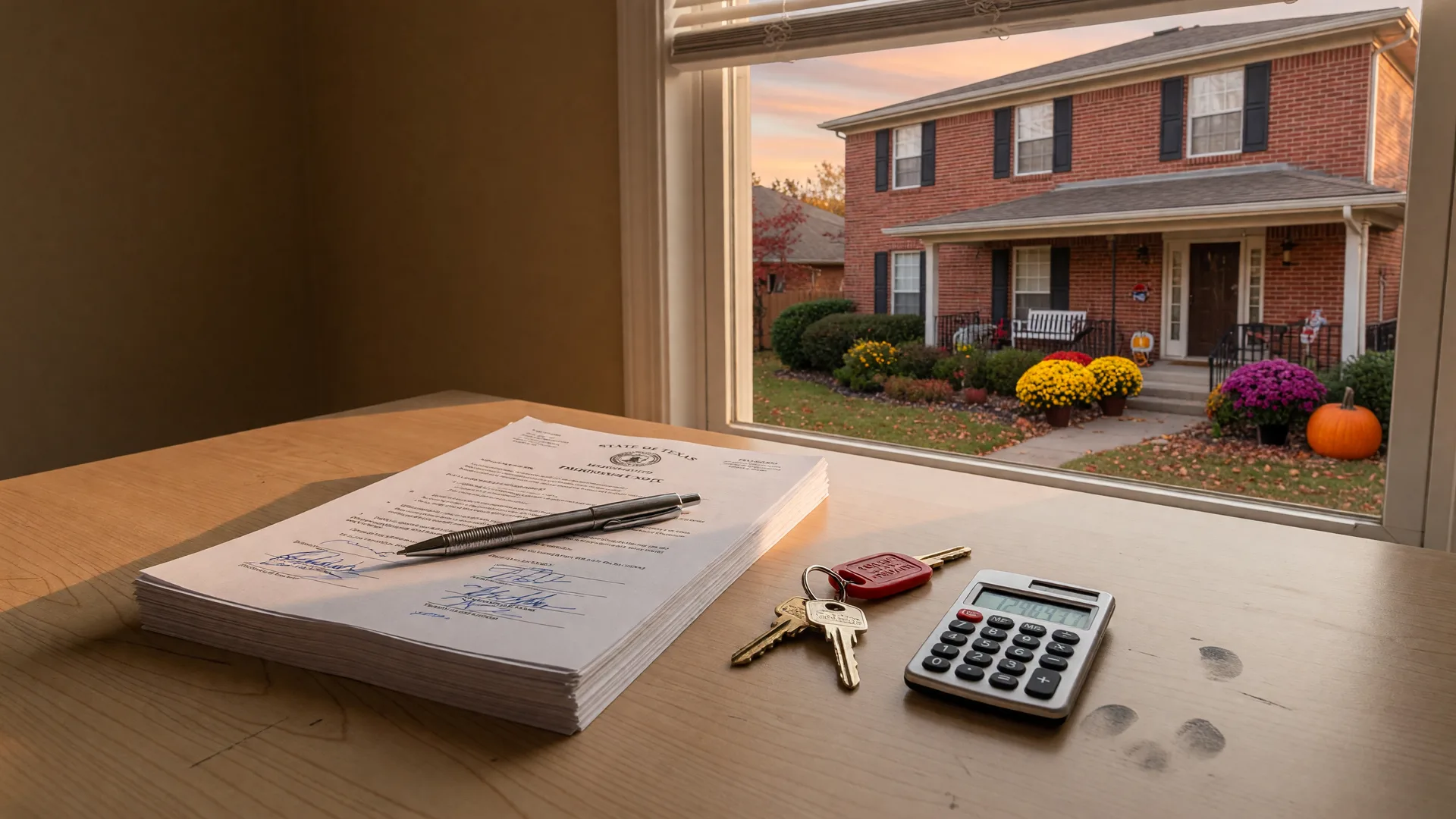
What Exactly Counts as Closing Costs?
Closing costs are the one-time expenses you pay to finalize the loan and transfer the property, and in Texas they fall into four buckets. Lender fees pay the bank for originating, processing, and underwriting your mortgage. Third-party services cover the appraisal, the survey, and the title work. Title insurance protects you and your lender against hidden claims on the property. And prepaids are not fees at all: they are the property taxes, homeowners insurance, and mortgage interest you fund in advance at closing.
One thing to keep straight from the start: closing costs are separate from your down payment. A 20 percent down payment on a $400,000 home is $80,000, and your closing costs of roughly $8,000 to $20,000 stack on top of it. That is why a full budget, not just a down payment number, is what you bring into the process.
How Much Should Keller and DFW Buyers Budget?
The working estimate most lenders and agents use is 2 to 5 percent of the purchase price for buyers in Texas. On a $350,000 home, that is about $7,000 to $17,500. On a $400,000 home, roughly $8,000 to $20,000. The wide spread exists because loan costs, local fee schedules, and prepaids vary, and because your exact number is set by your lender, your loan program, and the timing of your closing date.
Texas actually helps on one front: the state has no real estate transfer tax, a charge that adds 1 to 3 percent to buyer costs in many other states. You will still see recording fees on the settlement statement, but the state-level transfer tax line simply does not exist here.
The Buyer’s Line-Item Breakdown
Every quote is different, but these are the ranges Texas buyers see most often, compiled from current industry guides. Treat them as a planning frame, not a quote; your Loan Estimate will carry your real numbers.
Typical Buyer Closing Costs in Texas
- Loan origination: about 0.5 to 1 percent of the loan amount, or a flat fee of roughly $1,000 to $2,500. VA loans cap the origination fee at 1 percent.
- Processing and underwriting: roughly $1,000 to $1,800 combined, depending on the lender.
- Application and credit report: about $150 to $500 for the application and $10 to $100 for the credit pull.
- Appraisal: $300 to $700, with VA and FHA appraisals often running higher.
- Home inspection: $300 to $700, paid during the option period rather than at closing, but it belongs in the same budget. Our inspection and option period guide walks through it.
- Survey: $400 to $800, required by nearly every Texas lender so the title company can confirm the lot lines and any encroachments.
- Title insurance: an owner’s policy of roughly $1,500 to $2,900 depending on price, with a lender’s policy often about $100 more when issued at the same time. Premiums are set by the Texas Department of Insurance, so they do not vary between companies.
- Title search and escrow or settlement fee: about $150 to $300 for the search and $250 to $900 for the settlement service.
- Recording fees: a modest $25 to $200 to put the deed and deed of trust on the public record.
- Prepaids: prepaid mortgage interest, the first year of homeowners insurance, and property tax escrow, plus PMI or the VA funding fee when your loan carries one.
The Texas Title Insurance Twist: Who Pays What
Texas runs its own way on title insurance. By local custom, reflected in the standard Texas sales contract, the seller pays for the buyer’s owner’s title policy, and the buyer pays for the lender’s policy. That means the single biggest title line on a Texas settlement often lands on the seller’s side of the ledger, a real saving for buyers compared with many other states.
It is a convention, not a law, so it can be negotiated, and your purchase contract spells out the actual split. One thing buyers should know: Texas title insurance premiums are state-regulated. The Texas Department of Insurance sets the basic rates, so every title company charges the same premium for the same policy amount, and rates were cut about 6.2 percent effective March 1, 2026. The published schedule is on the TDI title rates page.
Prepaids: The Costs That Aren’t Fees
Prepaids are the easy part to forget and the hardest part to feel. At closing you fund prepaid mortgage interest for the days between closing and your first payment, the first year of homeowners insurance, and the property tax escrow your lender collects so it can pay the tax bill when it comes due. On a North Texas home, the property tax piece is substantial, which is one reason Texas closing totals run toward the higher end of the range. Our property tax guide explains exactly how those bills are built.
What DFW Sellers Contribute
In Texas, seller concessions are a normal part of the negotiating table. Depending on your loan program and down payment, a seller can contribute 3 to 9 percent of the purchase price toward your closing costs, which can cover most or all of the stack. In balanced and buyer-friendly stretches of the market, concessions are how many first-time buyers make the numbers work. The exact cap depends on your loan type, so it is a question for your lender, and it is a lever your agent should raise early in the negotiation rather than as a last-minute ask.
Five Ways to Keep Your Closing Costs Down
1 Compare lenders, not just rates
Origination, processing, and underwriting fees vary widely between lenders. Ask each one for a Loan Estimate, then compare the fees line by line, not just the interest rate.
2 Ask about lender credits
A slightly higher rate can buy a lender credit that covers your closing costs. It is a trade, not a gift, so run the math on how long you plan to stay in the home before you take it.
3 Negotiate seller concessions early
A 3 to 9 percent concession depending on your loan type can erase most of your closing stack. Raise it during the offer, when the seller is deciding between buyers, not after an accepted contract.
4 Mind the closing date
Prepaid interest covers the days between closing and your first payment. Close late in the month and you prepay fewer days of interest, which trims the total.
5 Read the Closing Disclosure twice
Federal rules require your Closing Disclosure days before you sign, and the Consumer Financial Protection Bureau’s explainer at consumerfinance.gov is a good map for it. Compare it to your Loan Estimate and question any line that moved.
Frequently Asked Questions
Can closing costs be rolled into the mortgage?
For most Texas purchase loans, no: your closing costs are paid at closing, in addition to the down payment, usually with a cashier’s check or a wire transfer. The practical exception is seller concessions, which let the seller contribute toward your costs within the limits of your loan program, so money you would have borrowed effectively covers them.
Who pays for the owner’s title insurance policy in Texas?
By local custom, the seller pays for the buyer’s owner’s title policy and the buyer pays for the lender’s policy. It is negotiable like everything else in the contract, but that split is what the standard Texas contract assumes, and it takes the biggest title line off the buyer’s side of the settlement statement.
Do Texas closing costs include a transfer tax?
No. Texas has no state real estate transfer tax, so buyers here skip a charge that adds 1 to 3 percent to closing totals in other states. You will still pay modest recording fees to file the deed, but there is no transfer tax line on a Texas settlement statement.
Is the survey really required in a Texas home purchase?
Nearly every Texas lender requires a survey, typically $400 to $800, so the title company can verify the lot lines, easements, and any encroachments before it issues the policy. It is usually ordered through the title company and shows up as a buyer closing cost, though some transactions reuse a recent survey with an update.
The Bottom Line
Budget 2 to 5 percent of the price for closing costs in Texas, prepare for the property tax prepaids that push North Texas toward the higher end, and let the seller’s side of the table carry the owner’s title policy. The number that matters is the one on your Loan Estimate, which is why the smart sequence is the same every time: get pre-approved, get the estimate, and only then go shopping for a home in your real budget. Our pre-approval guide and true cost of homeownership piece cover the next two steps, and the state assistance programs in our down payment assistance guide can stretch the whole budget further.
If you want a real number for your price range before you start touring, that is a fifteen-minute conversation. Reach out through the contact page or book a time on my calendar below, and bring any Loan Estimate you already have; I will help you read it line by line.
Sources and a note on the numbers: the ranges in this post come from current Texas closing cost guides and from the Texas Department of Insurance’s published title insurance basic premium rates, which were reduced about 6.2 percent effective March 1, 2026. Fee ranges vary by lender, loan program, and county, and the seller concession range depends on your down payment and loan type, so your Loan Estimate and your purchase contract are the authoritative numbers for your specific transaction.

Written by

Aaron Kinn
Broker Associate, Team Leader, eXp Realty, LLC · A.I. Certified Agent™
For 25 years I have helped buyers and sellers across the Dallas-Fort Worth Metroplex, with Keller as home market.
Areas I Serve Across Keller
Keller
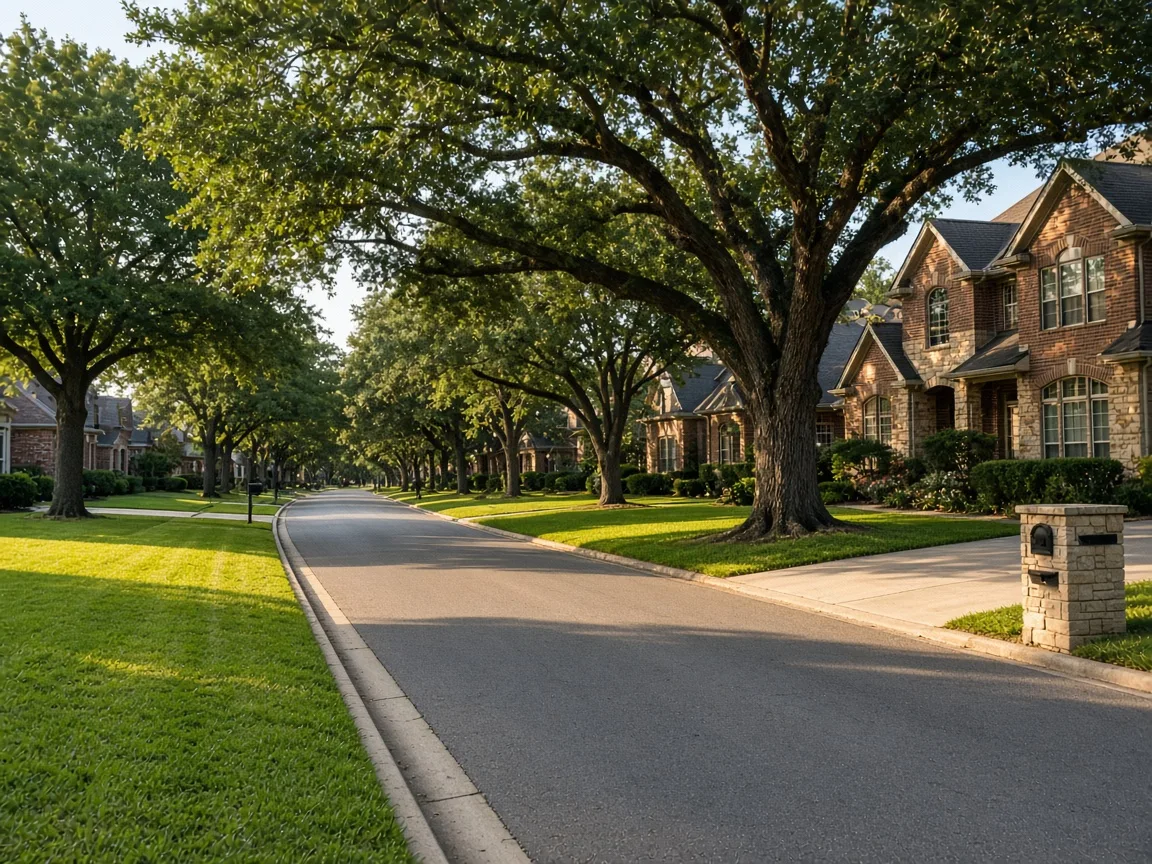
Established neighborhoods in 76248 and newer construction in 76244, with mature trees and a walkable town center.
Southlake
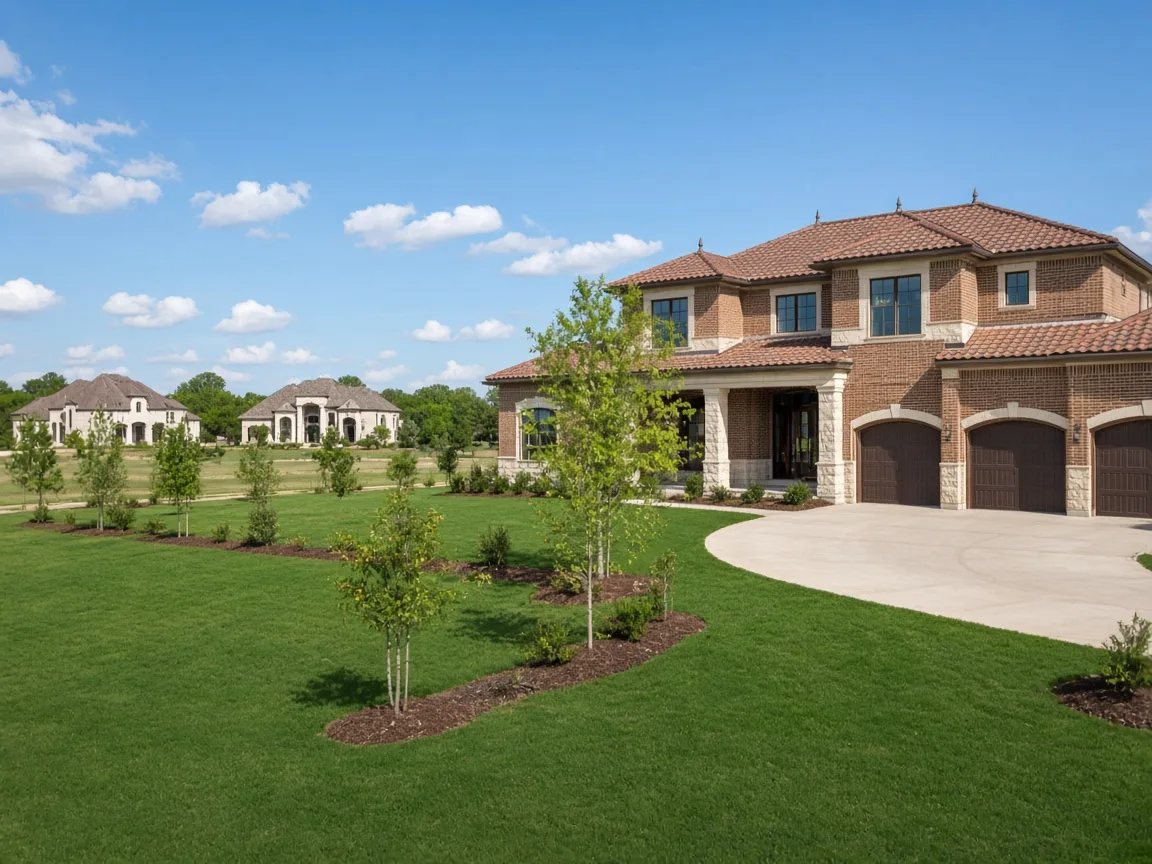
Large brick and stone custom homes on generous lots around Southlake Town Square.
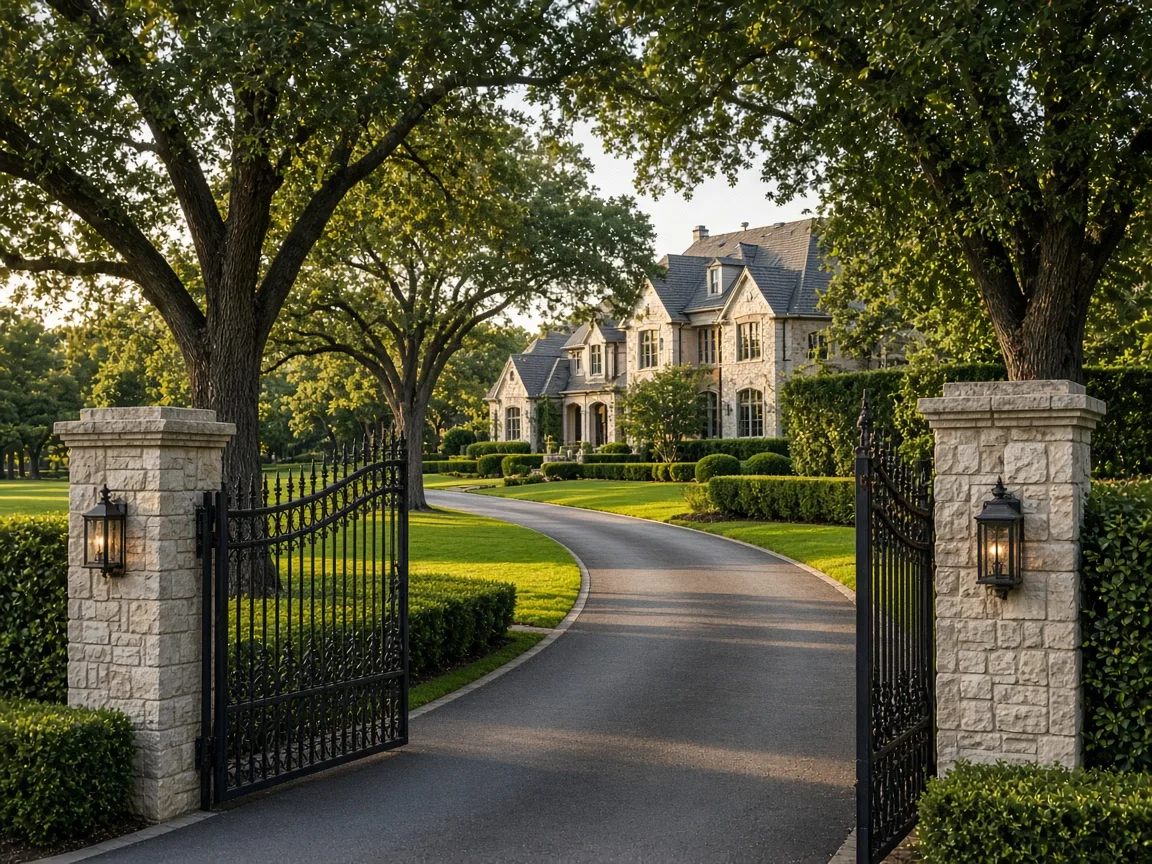
Westlake
Gated estate communities with large custom homes on acreage lots.
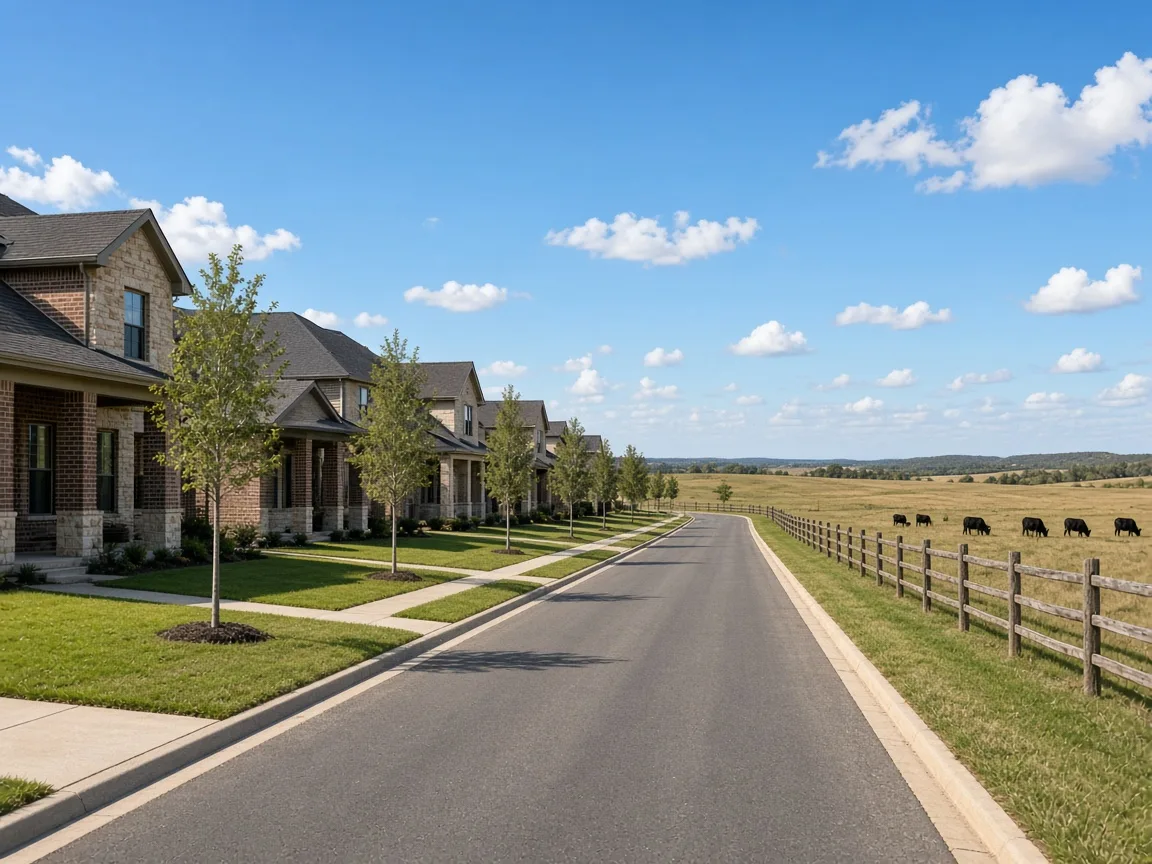
Northlake
Newer master-planned communities beside preserved ranch land along the Alliance corridor.
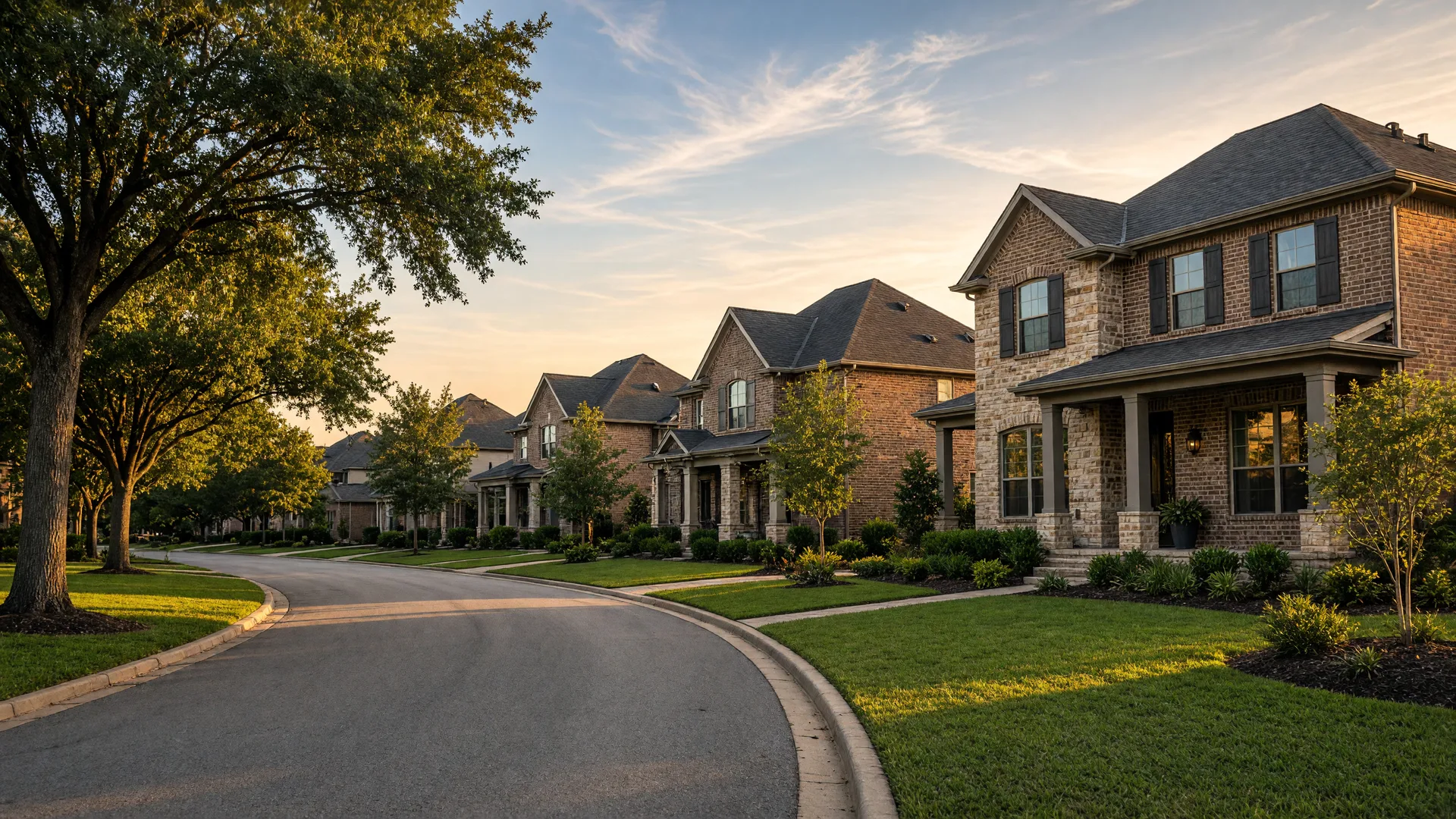
WORK WITH ME
Buying or Selling in Keller?
Whether you are buying or selling, the first step is a simple, no-pressure conversation.
817-939-6584 · No pressure, no obligation.
Written by
Aaron Kinn
Founder and lead advisor of The Kinn Team, serving buyers and sellers across North Texas with Keller as home market. I have walked hundreds of buyers through their closing numbers, and I believe an honest budget beats a surprise at the table every time.