BUYER GUIDE
Buying a Fixer-Upper in North Texas: The Real Cost of the “Cheaper” Home
NOVEMBER 16, 2026 · BY AARON KINN · DALLAS-FORT WORTH, TEXAS
In North Texas, a fixer-upper can sell for roughly 15 to 25 percent below a comparable move-in-ready home, which is a real discount. But the price you pay is only the first number in the deal; the renovation budget, the financing, and the inspection all arrive before you own the keys. This guide walks through the actual renovation costs in DFW and the loans that let you finance the purchase and the work together, so you can tell a genuine deal from a money pit.
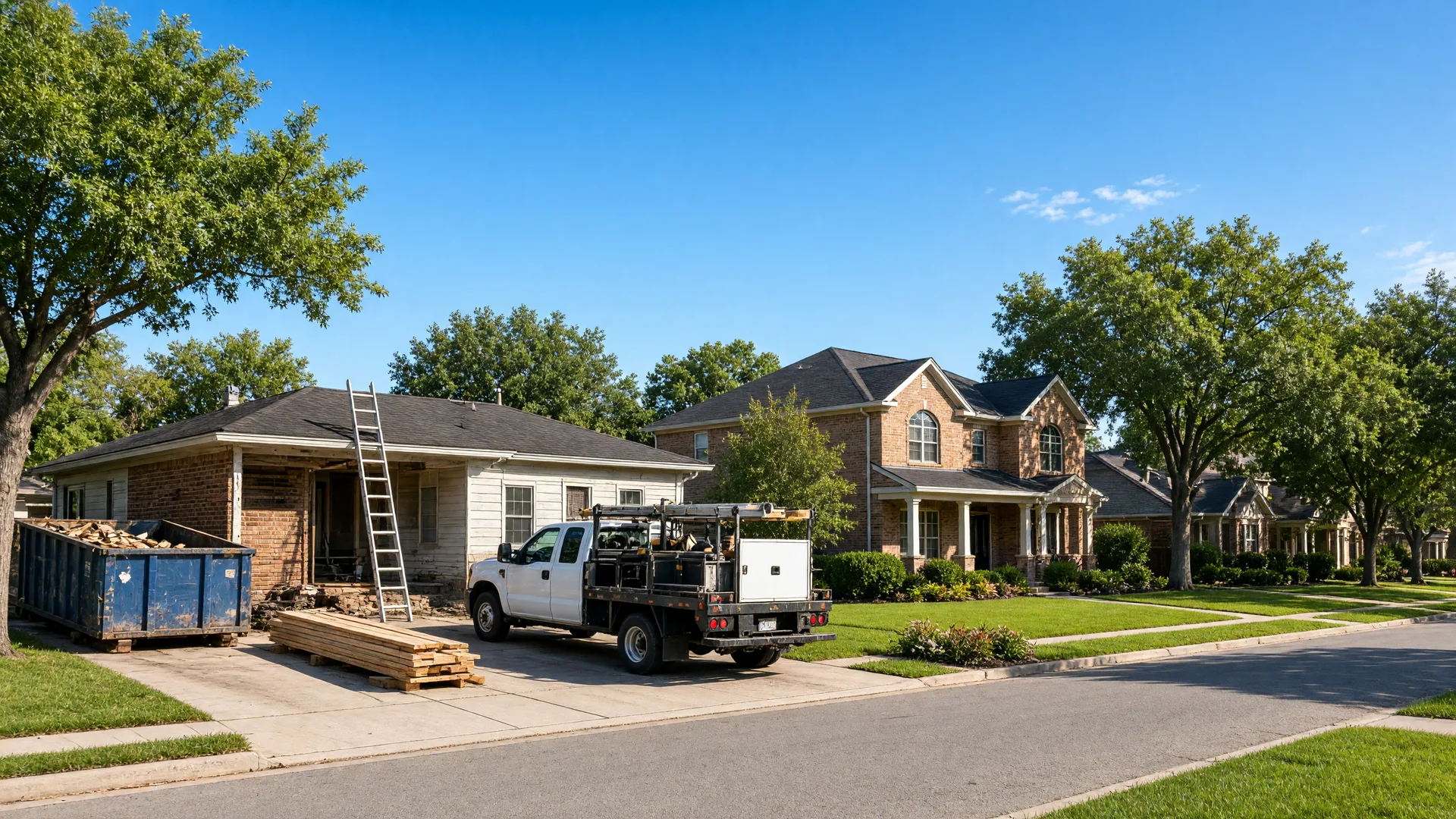
Why Fixer-Uppers Look Like a Deal in DFW
In a market where the DFW median sold price was around $385,000 as of September 2026, the most recent published figure from the MetroTex MLS summary, a home that lists below that line because it needs work can feel like the smart way in. Houses in Keller's 76244, for example, have carried a lower median than the more established 76248 side for years, which draws buyers weighing a refresh against a bigger down payment.
The appeal is real. A fixer-upper lets you buy into a neighborhood you might otherwise price out of, and it rewards patience, sweat, and good timing. The catch is that the bargain is measured after the work is done, not at the listing. To know whether you are buying equity or buying a project, you have to price the renovation almost as carefully as you price the home.
What Fixer-Uppers Actually Sell For
Published local guidance and market data put as-is and fixer-upper homes in the DFW area at roughly 15 to 25 percent below the value of a comparable move-in-ready home. That is a meaningful discount, but it is also the entire budget from which your renovation must be paid. The discount is not a discount you keep; it is a discount you spend.
In Keller, the numbers show why it varies by ZIP. The 76248 side, around the established neighborhoods off Keller Parkway, reported a median sold price near $661,500 in October 2026, while the faster-growing 76244 side came in around $406,400 in a recent read. A fixer in either ZIP trades on the same logic, but the ceiling you can reach after renovation, and the risk you carry while you get there, is shaped by that starting point. My 76248 guide and 76244 guide frame what each side sells for in price bands.
The Real Cost of Making It Move-In Ready
Renovation pricing in North Texas varies widely with scope, and honest numbers beat hope. Contractors in DFW commonly quote cosmetic work, paint, flooring, and fixtures, at roughly $15 to $75 per square foot. A mid-range whole-home remodel that touches kitchens and baths runs about $75 to $150 per square foot. A full gut renovation down to the studs often starts higher still.
Put in whole-house terms, that means a refresh of a typical 2,000 square foot North Texas home often lands between about $95,000 and $145,000, and a mid-range remodel can climb toward $220,000 or more. That range, more than the listing price, is what separates a genuine deal from a project that eats your savings. When I work with buyers on these calls, the renovation estimate is not an afterthought; it is one of the three numbers I want before you ever write an offer.
The Budget Rule That Keeps You Honest
Agents and investors across DFW use a simple rule of thumb, and it works. Add the purchase price, the renovation budget, and a contingency of roughly 20 percent for the surprises every project finds. That total should land at least 10 to 15 percent below what a comparable move-in-ready home in the same neighborhood would sell for.
If it does not, the fixer is not actually cheaper, it is just more work. The contingency matters most in North Texas, where foundation movement, aging plumbing, and decades-old electrical are common discoveries, and knowing the age of everything matters for resale too. If a big component like the roof or HVAC is near the end of its life, my guide to reading a Keller home's true value covers why those system ages move your number more than the paint color ever will.
How to Finance the Purchase and the Renovation Together
Most buyers do not have the cash to buy the home and finish the work separately, which is exactly what renovation loans are for. They roll the repair costs into one mortgage, so you are financing the project, not paying for it out of pocket upfront.
The two names worth knowing are the FHA 203(k) and the Fannie Mae HomeStyle loan. The FHA 203(k) lets you borrow against the after-renovation value and typically requires around 3.5 percent down with a credit score of 580 or higher. Its Standard version needs at least $5,000 in eligible improvements, while the Limited Streamline version covers cosmetic, non-structural work up to $75,000 without a separate consultant, and the work is generally expected to finish within 12 months.
Fannie Mae's HomeStyle loan has no minimum renovation amount, and some single-unit principal-residence buyers can put as little as 3 percent down on a fixed-rate mortgage, with 5 percent a more typical starting point. It expects a renovation budget that does not exceed about 75 percent of the lesser of your purchase plus renovation costs or the as-completed appraised value, and lenders usually require a contingency reserve of around 10 percent, or 15 percent when utilities are off. The work generally wraps within 15 months. HomeStyle also offers a Limited option covering up to $25,000 in repairs without the contractor draws and a full consultant.
Both loans are real and both are an option in our market, but they are not a fit for every buyer. Before you anchor on one, my guide to pre-approval versus pre-qualification explains why the conversation with a lender who actually originates renovation loans comes before you decide.
The Inspection Is the Whole Ballgame
A move-in-ready home lets you spread discovery over years of ownership. A fixer-upper front-loads those discoveries into the first few months, so the inspection has to carry real weight. For as-is homes, that is why an aggressive option period is non-negotiable, and why getting a tradesperson or inspector onto the property early, before you commit, is the smartest money you will spend.
In North Texas specifically, the findings that sink a deal are foundation movement, water intrusion, and HVAC and electrical age. Because parts of Keller sit near Big Bear Creek, flood considerations can play a role in which homes ever become fixer-uppers and which only look like one, and my flood zone and insurance guide lays out what to check before you fall for a water-adjacent bargain. The full shock list is in my Keller inspection and option period guide.
What Move-In Ready Actually Buys You
None of this is a knock on buying the polished home already on the market. The premium a move-in-ready home carries is largely the price of convenience: no construction timeline, no contractor coordination, no living through dust, and a lender and appraiser who see the value on day one. For a family with two working parents and a school calendar, that convenience is often the better investment even when the dollars skew toward the fixer.
The move-in-ready premium also matters on the appraisal. A home that appraises for what it is today relieves the pressure a renovation timeline puts on the transaction, and how appraisals work in Texas is worth reading before you decide which route fits. Buyers also face real competition for turnkey homes, so my guide to winning a bidding war without overpaying applies on either side of the choice.
How to Decide
There is no universally right answer, only the right answer for your budget, your patience, and your timeline. Before you choose, run these five checks:
1. Build the real math. Purchase price, renovation estimate, and a 20 percent contingency, compared against a comparable move-in-ready home. If you are not clearly under, it is not a deal.
2. Inspect the big systems first. Roof, foundation, plumbing, and electrical are where the budget dies. Everything else is negotiable.
3. Confirm the financing actually exists. A renovation loan you qualify for changes the whole picture. Verify it before you fall in love.
4. Price the finished neighborhood, not the starter. The after-renovation value is capped by what the street supports. My neighborhood checklist for DFW buyers keeps the street and the resale in view.
5. Be honest about your time. A renovation takes months and glue. If the timeline makes you miserable, buy the turnkey home and enjoy the weekend.
Frequently Asked Questions
Is a fixer-upper actually cheaper than a move-in-ready home in DFW?
Sometimes, but only when the math holds. Fixer-uppers in the DFW area often sell about 15 to 25 percent below comparable move-in-ready homes, and that discount has to cover your renovation, your contingency, your time, and your financing all at once. The honest test is to add the purchase price, the renovation budget, and a contingency of roughly 20 percent, then compare that total to a comparable move-in-ready home. If you are not well under that number, the deal is a deal in name only.
What is the minimum down payment for a renovation loan?
For an FHA 203(k), the down payment is typically 3.5 percent of the total acquisition cost with a credit score of 580 or higher. For a Fannie Mae HomeStyle loan on a single-unit principal residence, some qualifying buyers can put as little as 3 percent down on a fixed-rate mortgage, with 5 percent a more typical starting point. Which route fits you depends on your credit, your savings, and the scope of work, and a lender who actually originates renovation loans is the one to ask.
Should I get a pre-inspection before I even make an offer?
It is worth strong consideration. Sellers of as-is properties are not always willing to grant an extended inspection at list, and a fast pre-offer inspection of the roof, foundation, plumbing, and electrical catches the big-ticket items before you commit. If the seller declines access before the offer, your option-period inspection becomes the critical lever, which is why my guide to the Keller inspection and option period walks through exactly what to protect.
Can I do the renovations myself to save money?
A little, and lenders are strict about it. On a Fannie Mae HomeStyle loan, do-it-yourself labor is typically limited to about 10 percent of the as-completed value, and a financed renovation expects licensed, permitted work for most of the scope. On a cash deal you have more freedom, but the trades still need to be real. Renovation estimates in DFW are professional numbers for a reason, and cutting the wrong corner on foundation work or an electrical panel costs far more than it saves.
A fixer-upper can be one of the smartest purchases in North Texas, and it can also quietly cost you a year and a fortune. The difference is almost always decided before the offer, by people who have priced the work honestly. If you want a straight read on whether a home's fresh paint is covering real value or real deferred maintenance, that is exactly the conversation I am here for. Reach out through the contact page any time, or book a time that fits your calendar. Book a Free Consultation

Written by

Aaron Kinn
Broker Associate, Team Leader, eXp Realty, LLC · A.I. Certified Agent™
For 25 years I have helped buyers and sellers across the Dallas-Fort Worth Metroplex, with Keller as home market.
What My Clients Say
Every client gets the same standard: real-time updates, clear expectations, and straightforward advice.
“My clients receive real-time updates, clear expectations, and straightforward advice, backed by 300+ five-star reviews and counting.”
VERIFIED CLIENT PROOF FROM AARON KINN’S PROFILE
Areas I Serve Across the DFW Metroplex
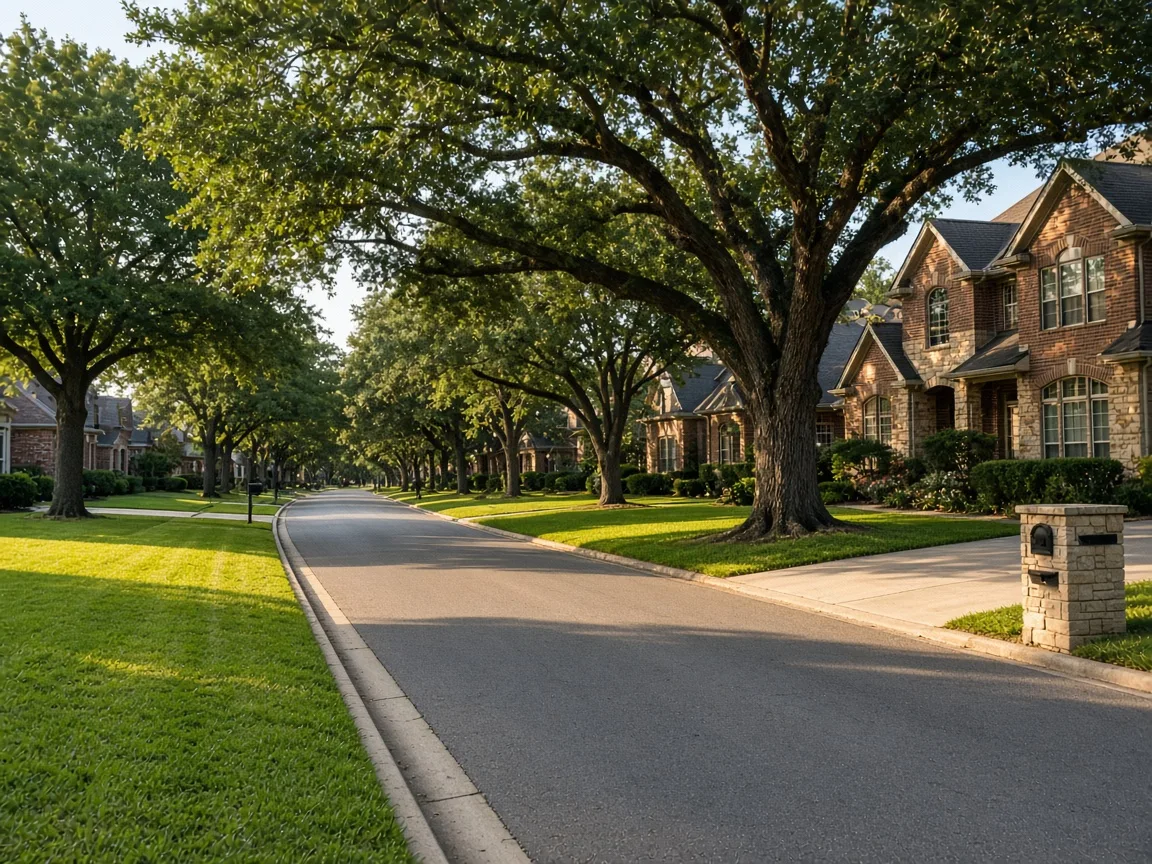
Keller
Established neighborhoods in 76248 and newer construction in 76244, with mature trees and a walkable town center.
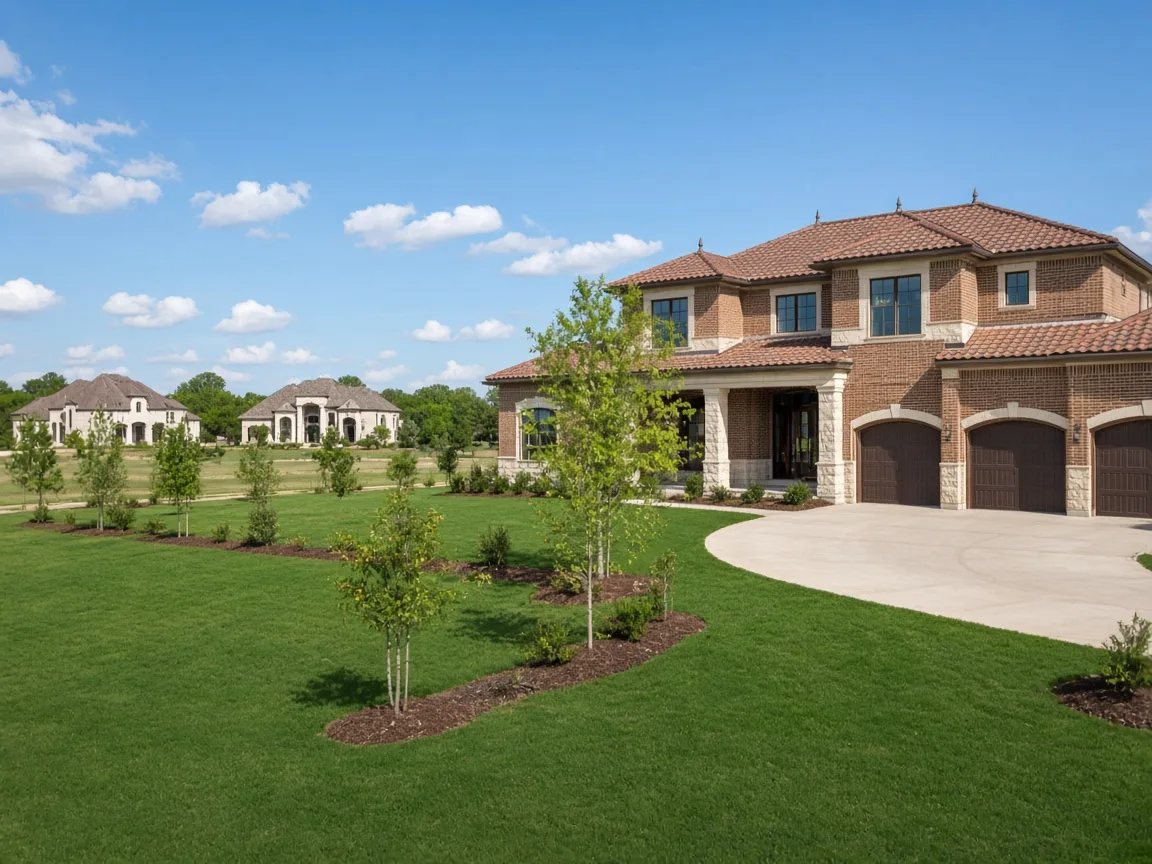
Southlake
Large brick and stone custom homes on generous lots around Southlake Town Square.
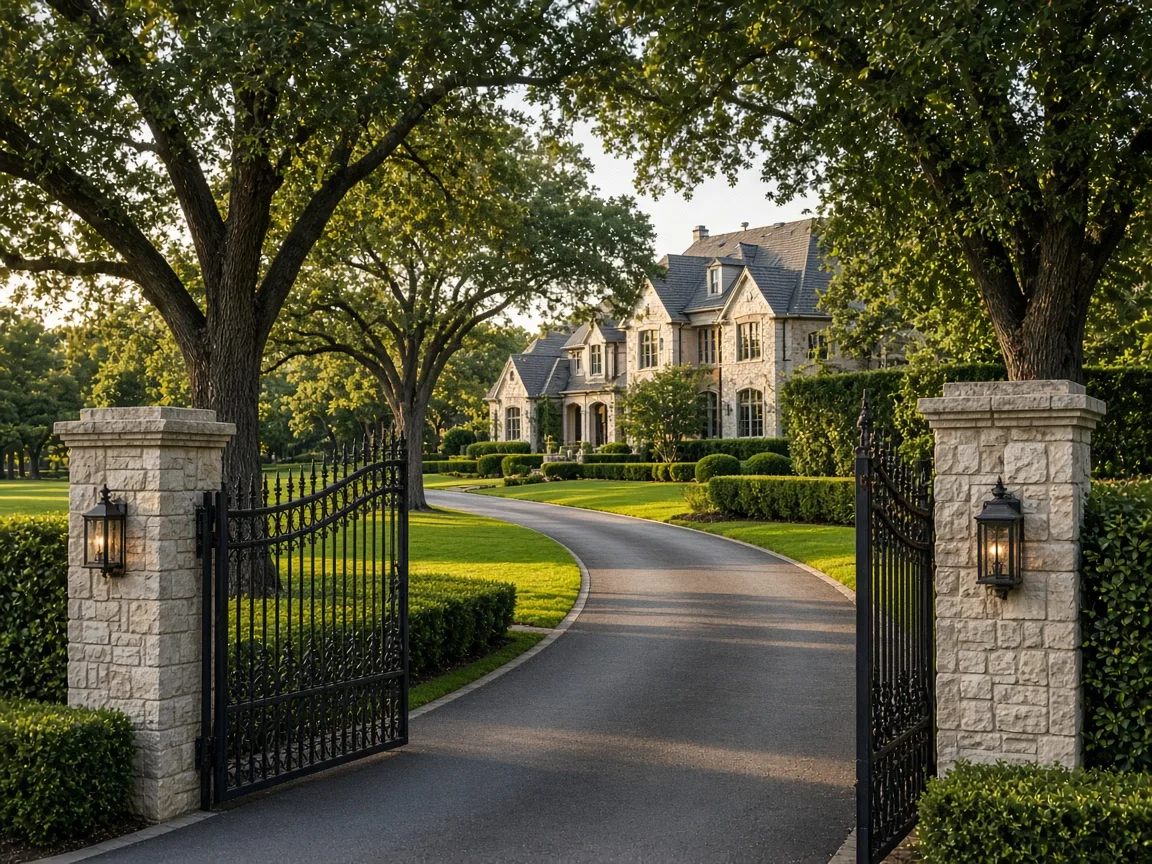
Westlake
Gated estate communities with large custom homes on acreage lots.
Northlake
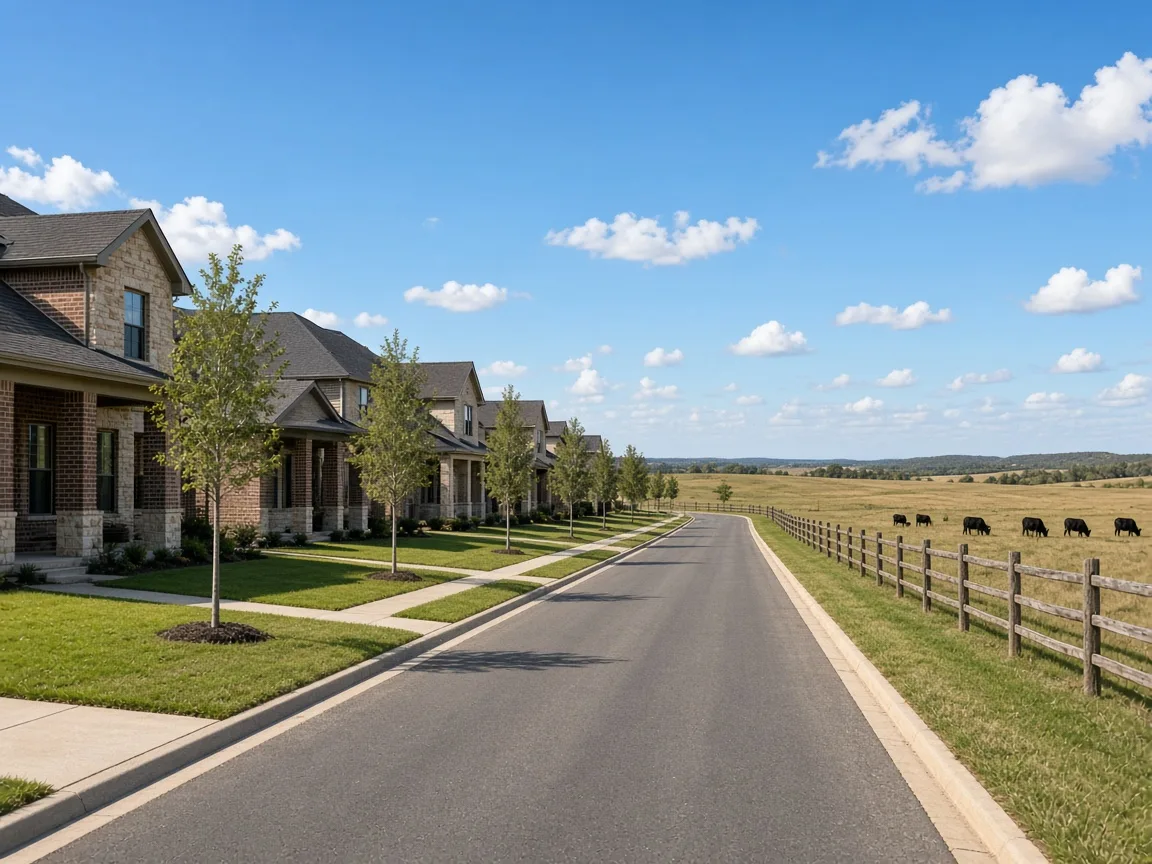
Newer master-planned communities beside preserved ranch land along the Alliance corridor.
WORK WITH ME
Buying or Selling in DFW?
Whether you are buying or selling, the first step is a simple, no-pressure conversation.
817-939-6584 · No pressure, no obligation.