BUYER & SELLER GUIDE
Title Insurance in Texas: A Keller & DFW Buyer and Seller Guide
NOVEMBER 11, 2026 · BY AARON KINN · KELLER, TEXAS
Title insurance in Texas works differently than in almost any other state, and the two differences are good news for buyers. Texas is one of the few states where the seller customarily pays for the buyer’s owner’s title policy, and the Texas Department of Insurance sets the rates, so every title company charges the same premium, which dropped about 6.2 percent on March 1, 2026. This guide explains the two policies, what the title commitment actually tells you, what an owner’s policy covers and skips, and the reissue credit that saves homeowners money on refinances.
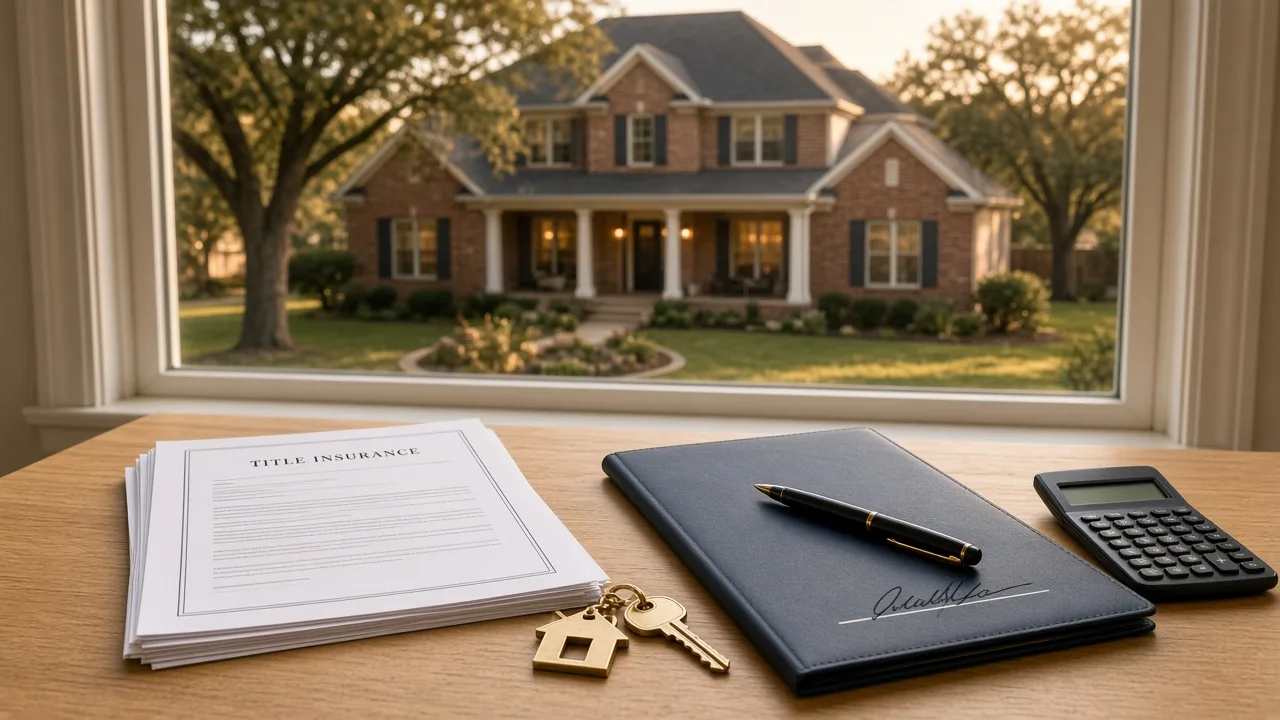
The Short Answer: Two Policies and a Texas-Style Split
A financed home purchase in Texas involves two title insurance policies, and each protects a different person. The owner’s policy, issued on the standard TLTA Form T-1, protects you, the buyer, and your heirs, against financial loss from title defects that existed before the sale, for as long as you hold an interest in the property. The lender’s policy, the T-2, protects only the mortgage lender, and virtually every lender requires it before funding the loan.
The Texas twist is who pays. By long-standing local custom, reflected in the standard Texas sales contract, the seller pays for the buyer’s owner’s title policy and the buyer pays for the lender’s policy. That means the single biggest title line in a Texas closing usually lands on the seller’s side of the settlement statement, a real saving for buyers compared with states where the buyer pays for both. It is a convention, not a statute, so the contract can allocate the costs any way both sides agree, and it is worth reading that paragraph before you sign. The premium itself is a one-time closing cost, not an annual payment like homeowners insurance, and it covers you for the life of your ownership.
Why Title Insurance Exists: The Claims No One Sees Coming
Title insurance exists because the county records can be wrong, and the mistakes surface years later. The title company searches the public records before closing, but the policy protects against what a search can miss: a forged deed in the chain of title, an undisclosed heir who appears after a death, a recording error, a lien that was paid but never released, a deed signed by someone who had no right to sign it, or a boundary problem that no one noticed at the last sale.
When one of those defects appears, the owner’s policy does two jobs. It covers your financial loss up to the policy amount, and it pays the legal defense costs if someone challenges your ownership. It also covers lack of access to and from the property. Texas does not require title insurance by statute; lenders require the lender’s policy, and the owner’s policy is your optional protection, but for the price of a one-time premium it is the cheapest insurance policy most homeowners will ever buy. My guide to closing costs in Texas shows where the title lines sit inside the full closing stack.
The Title Commitment: The Document That Predicts Your Closing
Before closing, the title company issues a commitment, TDI Form T-7. It is not yet a policy: it is the company’s promise to insure once its conditions are met, and it is the best preview of your closing you will get. Every commitment has three schedules.
Schedule A names the parties, the property description, the policy amount, and the effective date. Schedule B lists the exceptions to coverage, the specific title matters the policy will not insure against. Schedule C lists the requirements that must be satisfied before closing, typically paying off the seller’s existing mortgage and any judgment or tax liens, and it is where the mechanics of a clean closing show up. The title search itself is the research behind the commitment: the company digs through the county records, in Tarrant County for Keller addresses and in Dallas, Denton, or Cooke County for the surrounding areas I serve, and verifies the chain of title back through the property’s history.
The standard Texas contract gives you a window to review the commitment and object to anything you cannot live with. That objection deadline is one of the most useful protections in the process, because a title problem is always cheaper to fix before closing than after. When a deal hits a snag here, it is usually a Schedule B exception or a Schedule C requirement that nobody read until the last minute, which is why I have every buyer sit down with the commitment early. The walk-through of the trip from offer to closing explains where the commitment review fits in the overall timeline.
What the Owner’s Policy Covers, and What It Doesn’t
The owner’s policy covers title defects that existed as of the policy date, plus legal defense if someone challenges your ownership. The equally important half of the lesson is what it does not cover, and most of that lives in Schedule B.
The standard exceptions on a Texas commitment cover a familiar list: restrictive covenants; discrepancies, conflicts, or shortages in boundary lines and encroachments, which is the survey exception; homestead, community property, or survivorship rights of a spouse; current-year taxes and special assessments not yet due; water, sewer, or municipal charges; rights of parties in possession that do not show in the public records, such as a tenant or a relative living there; easements not shown by the public records; and, frequently, reservations of oil, gas, and mineral interests. The policy also excludes government regulations such as zoning, building codes, and environmental restrictions, and anything you knew about and did not disclose.
The survey exception deserves special attention because it is fixable. An accurate survey will reveal encroachments, boundary conflicts, and improvements that cross the line, and once you deliver that survey to the title company, the exception can be amended or deleted, at an additional premium. That is why nearly every Texas lender requires a survey and why it is ordered through the title company: the survey and the policy work as a pair. On Keller homes with fences, pools, and storage buildings near the lot lines, the survey is not paperwork, it is the document that protects your backyard.
What Title Insurance Costs in Texas, and Why the Price Never Varies
Texas is one of only a handful of states where the state sets title insurance rates. The Texas Department of Insurance promulgates the basic premium schedule, so every licensed title company in the state charges exactly the same premium for the same policy amount. You can shop for service and speed, but you cannot shop for a cheaper rate, and the published schedule is public. TDI reduced the basic rates by about 6.2 percent effective March 1, 2026, so anyone closing this year is paying less than the 2025 schedule.
To make the math concrete, here is the premium on a $400,000 sale under the current schedule. The owner’s policy basic premium is $2,262, built from $780 on the first $100,000 plus $1,482 on the remaining $300,000 at the applicable rate. When the lender’s policy is issued at the same time, it costs only about $100 more under the simultaneous-issue rule, for roughly $2,362 in total premium, before optional endorsements and the title company’s escrow and closing fee. On a typical Keller sale, the seller’s side of the ledger carries that owner’s policy, which is one reason Texas sellers should expect it in their net-proceeds math. My seller’s cost guide includes the title line in the full picture of what a 76248 or 76244 sale costs.
The Deed Behind the Policy: General Warranty vs. Special Warranty
The title policy is the insurance, and the deed is the promise. In a typical Texas resale, the seller signs a general warranty deed, which warrants clear title against defects for the entire history of the property, back to the sovereignty of the land. That is the most comprehensive deed Texas offers, and it is the standard in residential resale, which is why the buyer’s attorney or title company will flag it if a seller proposes anything less.
A special warranty deed, by contrast, warrants only against defects the seller created during their own period of ownership, and it does not protect against problems that predate the seller’s ownership. You see it more often in commercial deals and in sales by executors, trustees, and foreclosure lenders, who cannot truthfully warrant the full history because they were never the long-term owner. If a special warranty deed is proposed in a residential sale, the owner’s title policy becomes more important, not less, because the policy is the protection that fills the gap in the deed’s promises.
The Refinance Credit Most Texas Homeowners Miss
Refinancing triggers a brand new lender’s title policy, and most homeowners assume they are paying full price for it again. In Texas, the R-8 reissue credit discounts that premium when you refinance within a few years of the existing policy being issued. The discount runs about 50 percent off the basic premium within the first three years, then steps down by year: roughly 45 percent in years three to four, 40 percent in years four to five, 35 percent in years five to six, and 25 percent in years six to seven, with no credit after about seven years.
The credit applies when the new loan pays off, renews, extends, or satisfies the existing lien, which describes almost every refinance. Because the rate schedule is public, the title company should apply it automatically, but it is worth confirming the line on your settlement statement before you wire the funds. If you are weighing a refinance against other uses of your equity, my guide to using home equity covers the bigger decision the credit sits inside of.
A Buyer’s Checklist Before You Close
Title work rewards people who read ahead. Here is the checklist I walk buyers through when the commitment arrives, whether the home is in 76248, 76244, or anywhere else in North Texas.
Read Schedule B like it is the future owner’s risk list, because it is.
Every exception is a title problem the policy will not insure against. Ask what each one means in plain English, and object within the contract deadline to anything you cannot accept. The commitment is the one document in the file that predicts your risk, and nobody else will read it as carefully as you.
Deliver the survey and ask to clear the survey exception.
An accurate survey is the key that unlocks the survey exception. Fences, pools, and sheds that cross a line are exactly what the exception is designed to exclude, so if your property has improvements near the boundaries, the extra premium to delete the exception is money well spent.
Understand mineral and easement exceptions before you fall in love with the house.
Oil, gas, and mineral reservations are common on North Texas acreage north toward Wise and Cooke counties, and utility and drainage easements run across suburban lots everywhere. Know what the seller kept and what the easements let others do on your land, because neither one shows up in the listing photos.
Confirm the cost split in your contract, not in your memory.
The customary split is seller pays the owner’s policy and buyer pays the lender’s policy, but the contract is the final word, and negotiations can move the lines. The settlement statement should match the contract, and it is the buyer’s job to check.
Keep the policy with the deed and the survey, for the whole time you own the home.
The owner’s policy does not expire, and it passes to your heirs. Years from now, if a long-forgotten lien or a boundary dispute surfaces, the policy and its file are the documents that pay. Store them somewhere you can find them in a hurry.
A Shorter Checklist for Sellers
Clear known clouds before you list.
An old judgment, an unpaid HOA assessment, or a mortgage from a prior refinance that was never released will surface in the title search and stall your closing. Fixing these before the sign goes up is cheaper than negotiating them under a contract deadline.
Pull your own title file.
The deed you received, the survey, any easement or right-of-way documents, and records of work done near the property lines. When the title company’s search matches your reality, objections stay off the table and closings stay on schedule.
Budget the owner’s policy into your net sheet.
In a customary Texas deal, the seller pays for the buyer’s owner’s policy, and on a $400,000 sale that is about $2,262 before the title company’s fee. It is a predictable line, not a surprise, so know it before you price the home.
Frequently Asked Questions
Who pays for title insurance in a Texas home sale?
By long-standing Texas custom, the seller pays for the buyer's owner's title policy and the buyer pays for the lender's policy. That split is assumed by the standard Texas sales contract, so in most Keller and DFW deals the biggest title line lands on the seller's side of the settlement statement. It is a convention, not a law: the contract can assign the costs any way the parties agree, which is why the paragraph that allocates title costs is worth reading before you sign.
How much does title insurance cost on a $400,000 home in Texas?
Under the rate schedule effective March 1, 2026, the owner's policy basic premium on a $400,000 sale is $2,262, and when the lender's policy is issued at the same time it adds only about $100, for roughly $2,362 in total premium before optional endorsements and the title company's escrow and closing fee. Because Texas sets title rates statewide, that premium is the same at every licensed title company.
Is title insurance required in Texas?
Texas does not require title insurance by statute. In practice, nearly every lender requires the lender's policy before funding a mortgage, so a financed purchase almost always carries at least that policy. The owner's policy is optional, but it is the only one that protects you, the buyer, and it stays in force for as long as you and your heirs hold an interest in the property, for a single one-time premium paid at closing.
What is a title commitment, and why should I read it?
Before closing, the title company issues a commitment, TDI Form T-7, which is its promise to insure once its conditions are met. It has three schedules: Schedule A names the parties, the property, and the policy amount; Schedule B lists the exceptions to coverage, the title problems the policy will not insure against; and Schedule C lists what must be satisfied, such as paying off existing liens, before closing. The exceptions in Schedule B are the most important page in the file, because they describe what you could inherit as the owner.
What does an owner's title policy actually cover?
The owner's policy covers financial loss from title defects that existed before the policy date: forged deeds, undisclosed heirs, recording errors, unreleased or undisclosed liens, a deed signed by someone without the right to sign it, and boundary problems. It also pays the legal defense costs if someone challenges your ownership, and it covers lack of access to and from the property. It does not cover the items listed as exceptions, defects an accurate survey would reveal unless you deliver a survey and the exception is amended or deleted, government regulations like zoning and building codes, or problems you knew about and did not disclose.
Do I get a discount on title insurance when I refinance?
Often yes. The R-8 reissue credit discounts the new lender's policy when you refinance within a few years of the existing policy being issued. The discount runs about 50 percent off the basic premium within the first three years, then steps down by year, roughly 45 percent in years three to four, 40 percent in years four to five, 35 percent in years five to six, and 25 percent in years six to seven, with no credit after about seven years. Ask your title company or lender to apply the reissue credit and confirm it shows up on your settlement statement.
Sources and a Note on the Numbers
The structure of the two-policy Texas system, the customary seller-paid owner’s policy, the state-set rates, the March 1, 2026 reduction, and the R-8 reissue credit come from the Texas Department of Insurance title insurance FAQ, the TDI loan policy page on the reissue discount, and the TDI title premium rate schedule effective March 1, 2026. The premium math on a $400,000 sale, the $780 first-$100,000 figure, and the simultaneous-issue $100 lender’s policy come from that published schedule. The commitment and its schedules are TDI Form T-7, and the owner’s policy form is the TLTA standard T-1. Coverage and exclusions, including the survey exception and the mineral reservation exception, draw on Texas Legal Guide’s title insurance explainer, LoneStarLandLaw’s guide, and LRG Realty’s cost guide. The deed comparison comes from Texas Property Deeds and LoneStarLandLaw’s deed warranties explainer. Premiums include the one-time title premium only and exclude optional endorsements and the title company’s escrow and closing fees, which vary by company and county. Rates and reissue tiers are set by regulation, but your settlement statement is the authoritative number for your specific transaction, and a call to your title company settles any line in minutes.
If you are under contract, about to make an offer, or putting a home on the market in Keller, 76248, 76244, or anywhere across North Texas, the title work is part of my job, not a surprise at the end. The fastest way to talk through your specific file is a short conversation. No obligation, no pressure: Book a Free Consultation
While you are here, the 76248 guide and the 76244 guide map the neighborhoods where surveys, easements, and HOAs all sit together, and the blog has more buyer and seller guides for North Texas, including earnest money, appraisals, and Texas property taxes.

Written by

Aaron Kinn
Broker Associate, Team Leader, eXp Realty, LLC · A.I. Certified Agent™
For 25 years I have helped buyers and sellers across the Dallas-Fort Worth Metroplex, with Keller as home market.
Areas I Serve Across Keller
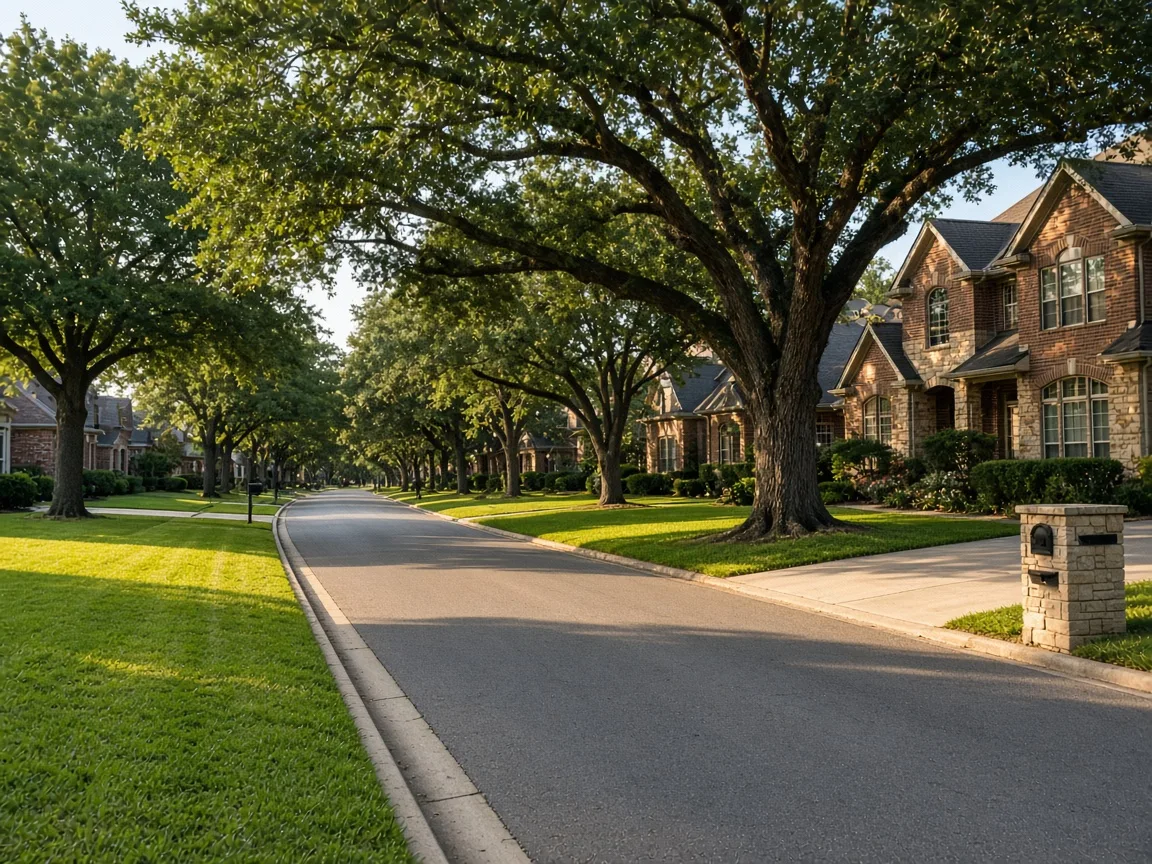
Keller
Established neighborhoods in 76248 and newer construction in 76244, with mature trees and a walkable town center.
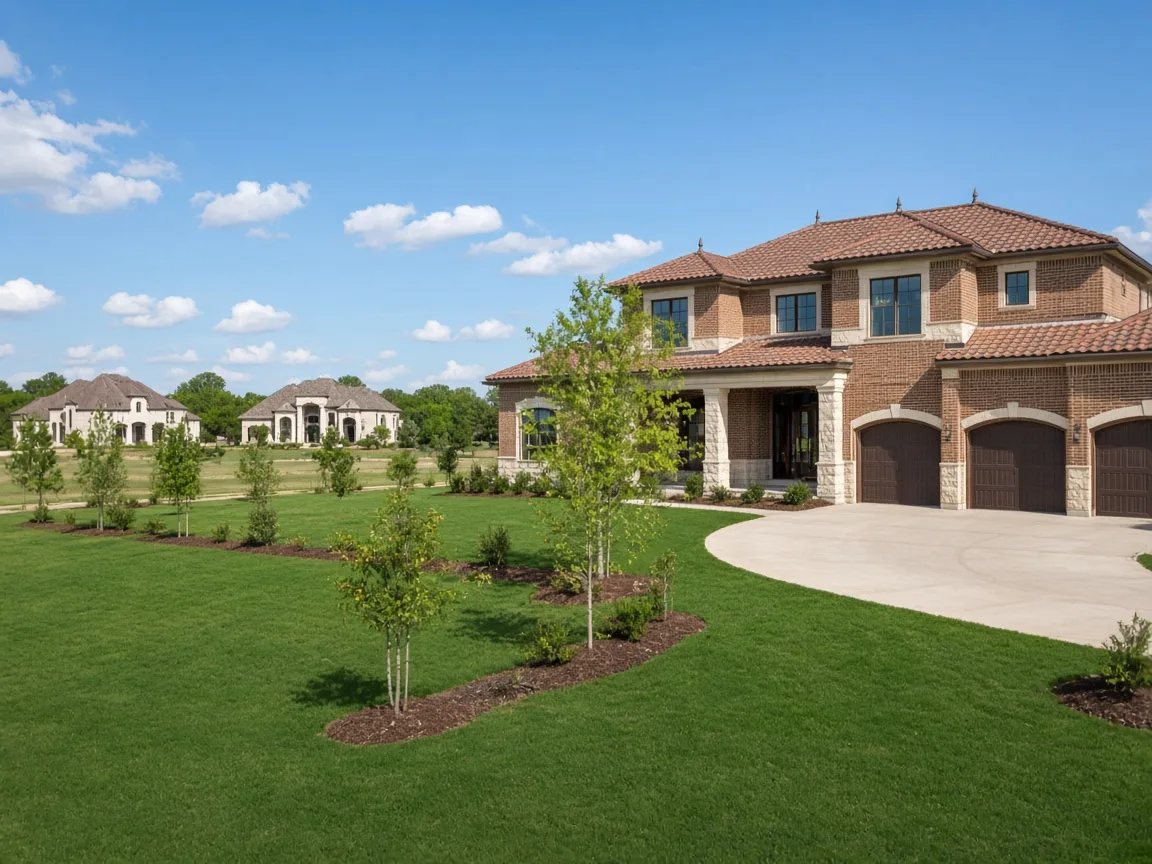
Southlake
Large brick and stone custom homes on generous lots around Southlake Town Square.
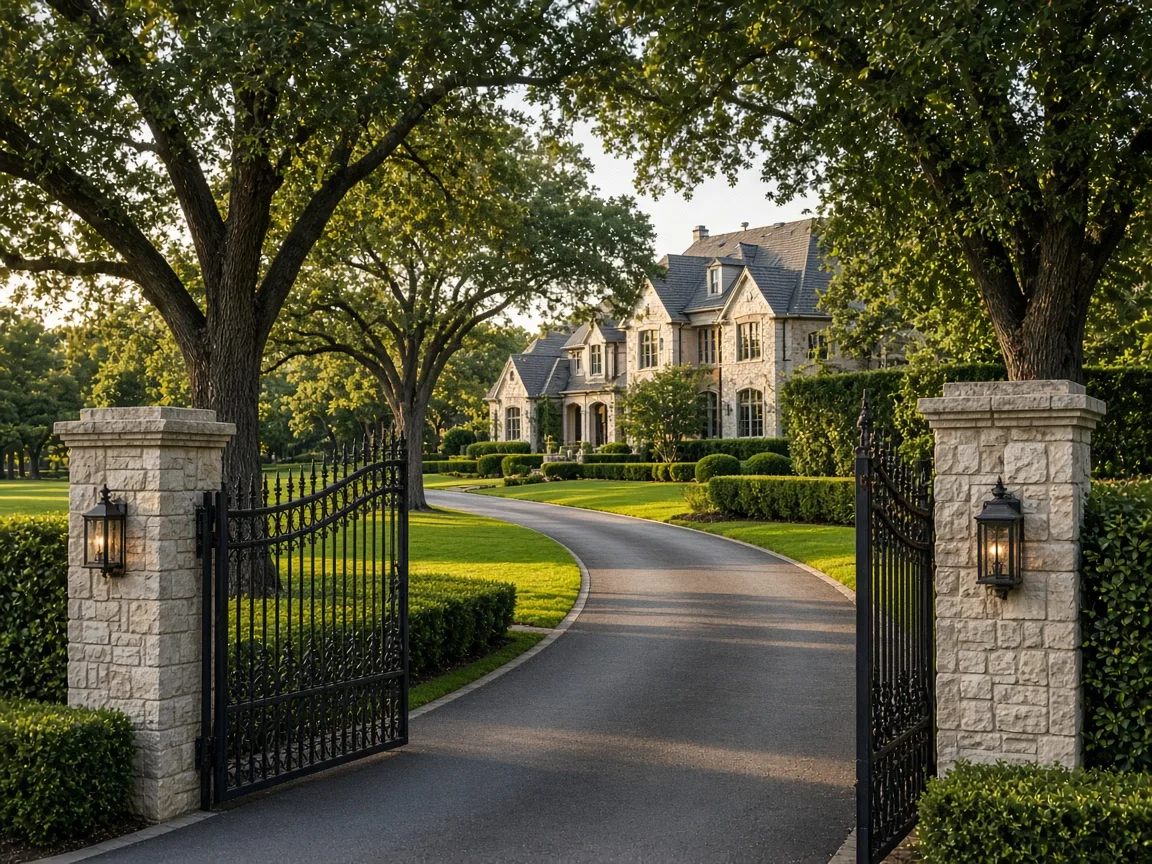
Westlake
Gated estate communities with large custom homes on acreage lots.
Northlake
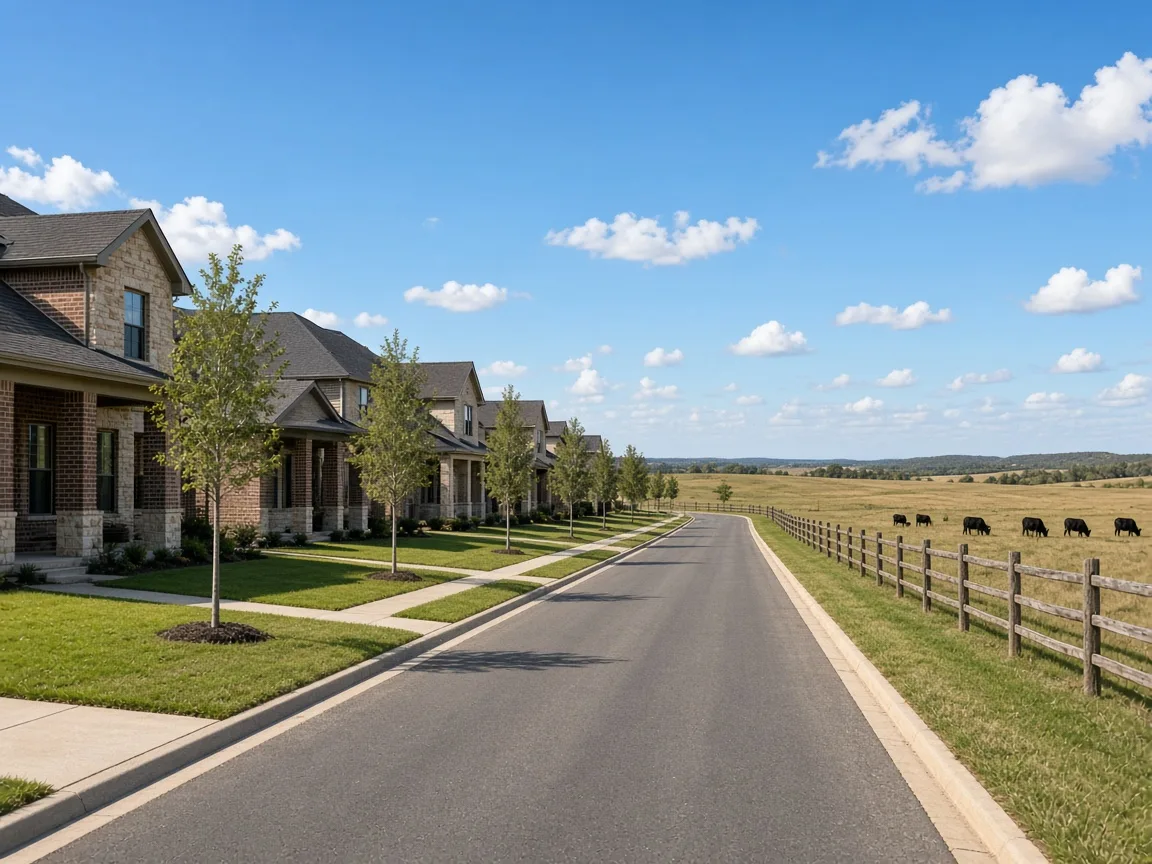
Newer master-planned communities beside preserved ranch land along the Alliance corridor.
WORK WITH ME
Buying or Selling in Keller?
Whether you are buying or selling, the first step is a simple, no-pressure conversation.
817-939-6584 · No pressure, no obligation.
Written by
Aaron Kinn
I am the founder and lead advisor of The Kinn Team, based in Keller and serving the entire Dallas-Fort Worth Metroplex. For over 25 years I have guided more than 3,100 families through their moves, and reading the title commitment, the survey, and the deed before anyone signs is one of the quietest ways I protect a deal.