BUYER & SELLER GUIDE · HOMEOWNERS INSURANCE IN TEXAS
Homeowners Insurance in Texas: A 2026 Buyer’s Guide for Keller & DFW
NOVEMBER 13, 2026 · BY AARON KINN · KELLER, TEXAS
Homeowners insurance is a required line in nearly every Texas mortgage, yet it is the cost buyers understand the least. Texas routinely ranks among the most expensive states for home insurance in the country, and published 2026 estimates for a typical North Texas policy run from roughly $3,500 to close to $5,000 a year depending on how much dwelling coverage you carry. On a $400,000 home the premium lands in the low four figures, and the wind and hail deductible in our hail-heavy region can surprise a buyer at claim time. Here is what buyers in Keller, 76248, 76244, and across the DFW metroplex should actually understand before they write an offer.

Why Is Texas Home Insurance So Expensive?
It starts with the weather. Hail damage is common across North Texas, tornados are a regular spring threat, and historically bad winters put a spotlight on how many Texas homes were built for heat, not for deep freezes. That exposure is priced into every premium. The Texas Department of Insurance lists the state’s most recent observed average premium at about $3,489 a year for 2025, and published 2026 figures from consumer finance trackers come in higher, roughly $3,800 to close to $5,900 depending on the dwelling amount you insure. For a $400,000 home with a $1,000 deductible, several 2026 estimates land around $4,000 to $5,000 a year, or about $380 to $410 a month.
The number that matters for your budget is not the state average, it is your own quote. Premiums vary by lender requirements, by your coverage limit, by your deductible, and by where you live, because insurers price civil-appliance, fire, and theft exposure street by street. That is why the quote, not the average, is what you should take into your monthly payment math. Our true cost of homeownership guide walks through how the insurance line fits next to taxes and maintenance in your real payment.
What a Standard Texas HO-3 Policy Covers
Almost every homeowner in Texas carries what is called an HO-3 special form policy, and it is really six coverages stacked into one bill. Coverage A protects the dwelling itself, the structure, the roof, attached garages, and built-in fixtures, on an open-peril basis, meaning it covers any cause of loss except the ones your contract specifically excludes. Coverage B covers other structures like a detached garage, fence, shed, or pool, usually around 10 percent of your dwelling limit. Coverage C is your personal property, your furniture, clothes, and appliances, covered on a named-peril basis for things like fire, wind, hail, and theft. Coverage D is loss of use, the extra living costs if a covered event makes the home unlivable. Coverage E is your liability protection, and Coverage F is medical payments to guests hurt on your property.
A common buyer mistake is insuring the home for the price they are paying. Your lender will let you know the minimum required, but the coverage amount that actually protects you is what it costs to rebuild the home, not what you paid for the lot, the location, or the market premium. In North Texas, construction costs mean the rebuild figure can look different from both the sale price and the appraised value, which is why it is worth a conversation with your insurance agent about the right dwelling limit for the specific house before you close.
The Texas Wind and Hail Deductible: The Rule That Surprises Buyers
This is the one that catches new DFW homeowners. In Texas, the wind and hail deductible is written as a percentage of your Coverage A dwelling limit, not as a flat dollar amount and not as a percentage of the loss. A typical policy carries a 1 to 5 percent wind and hail deductible, and 2 percent has become the common standard across much of the state. On a home insured for $400,000, a 2 percent wind and hail deductible means you pay the first $8,000 of wind or hail damage out of pocket before the insurance payout starts.
That percentage deductible applies to wind and hail damage from any windstorm, a thunderstorm, a hailstorm, or a tornado, not just a named tropical system. It is separate from your regular deductible for things like fire or theft, which is usually a flat number such as $1,000 or $2,500. And it is worth knowing that Texas law caps nothing about the percentage itself; the state only requires the insurer to disclose it. Before you accept a quote, ask your agent to spell out the exact wind and hail deductible in dollars, so an $8,000 surprise after a spring hailstorm does not become yours alone.
There is one more Texas quirk homebuyers should file away: under House Bill 2102, which took effect for Texas in 2019, a contractor cannot waive, pay, absorb, or reimburse your insurance deductible as part of a repair deal. If a roofing contractor promises to cover your deductible so you only pay the insurance settlement, that is an arrangement Texas law now prohibits, and it should be a red flag rather than a perk.
What Is Not Covered
The exclusions matter just as much as the coverage. A standard Texas homeowners policy does not cover flood damage, which includes storm surge, rising water on normally dry land, and overflow, and that is never a standard-policy line. If a home sits in a FEMA flood zone your lender will require a separate flood policy, and even outside the mapped zones many North Texas buyers choose one for peace of mind. Our flood zones and flood insurance guide covers where the risk sits in 76248 and 76244 and what coverage costs.
Most Texas policies also exclude earthquake and earth movement, wear and tear and normal aging, and gradual mold, fungus, and rot, which is why water damage is one of the first things inspectors flag. Inflation eats purchasing power, so review your dwelling limit yearly, and remember that a standard policy in most of Texas does cover wind and hail, it just carries that separate percentage deductible. Only in Texas’s designated coastal windstorm territory do standard carriers skip wind and hail entirely, and the DFW metroplex is not in that coastal territory, so Keller and 76248 and 76244 homeowners get wind and hail on their policy with the percentage deductible above.
How Much Should Keller and DFW Buyers Budget?
A Planning Frame for a North Texas Insurance Line
- The premium: published 2026 estimates for a $400,000 home with a $1,000 deductible run around $4,000 to $5,000 a year, or roughly $380 to $410 a month, before discounts. Treat any single quote as the real number, not the average.
- At closing: lenders typically collect the first full year of homeowners insurance at closing, before your first mortgage payment, so it is part of the closing stack. It sits alongside, but separate from, the prepaid taxes and interest in our closing costs guide.
- In escrow: after that first year, most lenders collect your annual premium monthly inside the escrow portion of your mortgage payment, so the insurance line shows up quietly inside your payment rather than as a separate bill.
- The deductible: plan for a 1 to 5 percent wind and hail deductible (2 percent is common), which on a $400,000 policy means $4,000 to $20,000 of wind or hail damage before the payout starts. This is real money to set aside, not a fine print no one reads.
Five Ways to Keep Your Premium Under Control
1 Compare what’s on paper, then what it costs
Premiums vary meaningfully between insurers for the same home, but only when the coverage limits and deductibles match. Get three quotes side by side with the same dwelling amount, personal property limit, and deductible, then compare the actual coverage, not just the price.
2 Bundle your homeowners and auto
Most insurers discount a multiple-policy customer, and a homeowner policy plus an auto policy is the standard bundle that earns it. Ask what the discount is before you assume it, but it is often the easiest lever in this list.
3 Raise the wind and hail deductible deliberately
Going from a 1 percent to a 2 percent wind and hail deductible is the switch that moves a North Texas premium the most, but it is a trade, not a free save. Only make it if you can genuinely cover the larger out-of-pocket amount after a hailstorm, so an emergency does not become a finance problem.
4 Insure rebuild cost, not market price
Insuring the home for the right rebuild number protects you without paying for coverage you cannot use. A brand-new roof, replaced plumbing, or a modern electrical panel can also earn a discount, so tell your agent about updates before you list or while you shop.
5 Ask about claims history, then keep it clean
Insurers weigh your claim history heavily, and a handful of hail claims in a single neighborhood can shape every premium around it. For small losses, weigh whether the claim is worth it against a possible premium jump, and always check that an inspection that flagged a roof does not quietly raise your next bill.
Frequently Asked Questions
Do I have to buy homeowners insurance to close on a home in Texas?
Yes, if you have a mortgage. Texas lenders require an active homeowners policy that meets their coverage minimums, and the first year’s premium is typically paid at closing before your first payment. If you buy the home in cash, you are not required by a lender to insure it, but virtually every homeowner carries a policy anyway to protect the largest asset they own.
Is hailstorm damage covered on a Texas homeowners policy?
In most of Texas, including the DFW metroplex, hailstorm and wind damage are covered, but under a separate percentage deductible that is usually 1 to 5 percent of your dwelling limit, with 2 percent now common. That means you pay the first several thousand dollars before the policy pays, so the coverage exists but the out-of-pocket can be significant.
Does a standard policy cover flood damage in Keller?
No. Flood damage, which includes rising water and overflow from Big Bear Creek and other waterways, is never covered by a standard Texas homeowners policy and requires a separate policy. Lenders require flood insurance for homes in a mapped FEMA zone, and buyers outside the zones sometimes choose it voluntarily. See our flood insurance guide for the 76248 and 76244 details.
Should I insure my home for the price I’m paying?
Not necessarily. The sensible coverage is what it costs to rebuild the home, which can be higher or lower than the sale price because the sale price includes the land and location. Insuring for the right rebuild number avoids both paying for coverage you cannot use and coming up short when a claim actually happens.
The Bottom Line
Homeowners insurance is a real line in the monthly budget and a real surprise at closing, but it does not have to be mysterious. Understand the HO-3 coverages, know that the wind and hail deductible is a percentage that can mean several thousand dollars out of pocket, double-check that flood is a separate purchase, and get a real quote for the specific home before you write your offer. The premium and the deductible are numbers you negotiate and shape, and going in with them planned beats discovering them on the closing disclosure.
The insurance line is one of several costs that stack on top of the purchase price, and the whole stack is easier to handle with a real budget. Our closing costs guide covers the rest of the one-time stack, the property tax guide handles the biggest recurring cost, and the title insurance guide explains the other policy you will pay for at closing. If you want a full sense of what a specific Keller or DFW home will cost you month to month, that is a fifteen-minute conversation, so reach out through the contact page or book a time on my calendar below and I will help you run the real numbers for the neighborhood you are considering.
Sources and a note on the numbers: the state premium figure comes from the Texas Department of Insurance’s published homeowners market overview (most recent observed average of $3,489 for 2025), and the 2026 range reflects current consumer finance trackers such as NerdWallet and Insurance.com for a $400,000 dwelling with a $1,000 deductible. Wind and hail deductible mechanics, HO-3 coverage structure, exclusions, and the House Bill 2102 contractor rule are drawn from the Texas Department of Insurance’s consumers homeowners guide and current Texas insurance journalism. Averages are not a quote for any specific address, and your own premium depends on your coverage limits, deductibles, and exact location, so the quote is the authoritative number for your transaction.

Written by

Aaron Kinn
Broker Associate, Team Leader, eXp Realty, LLC · A.I. Certified Agent™
For 25 years I have helped buyers and sellers across the Dallas-Fort Worth Metroplex, with Keller as home market.
Areas I Serve Across Keller
Keller
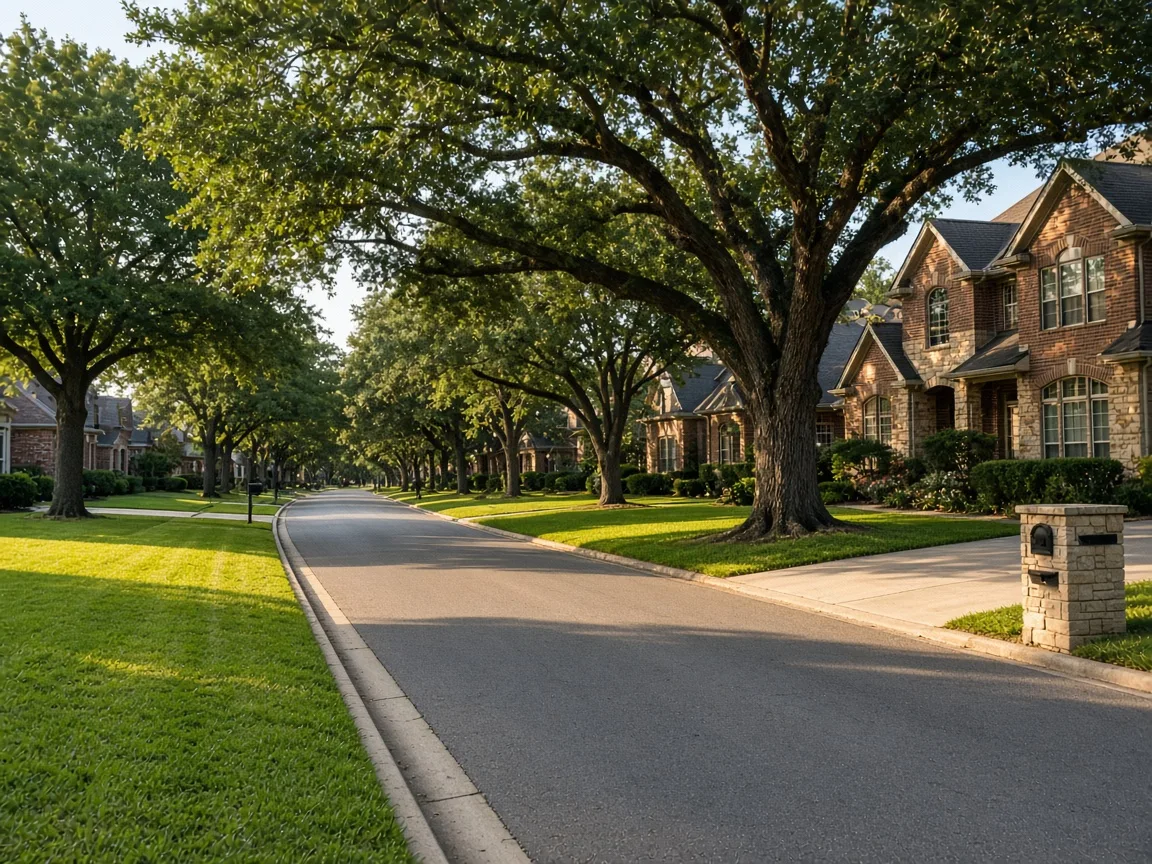
Established neighborhoods in 76248 and newer construction in 76244, with mature trees and a walkable town center.
Southlake
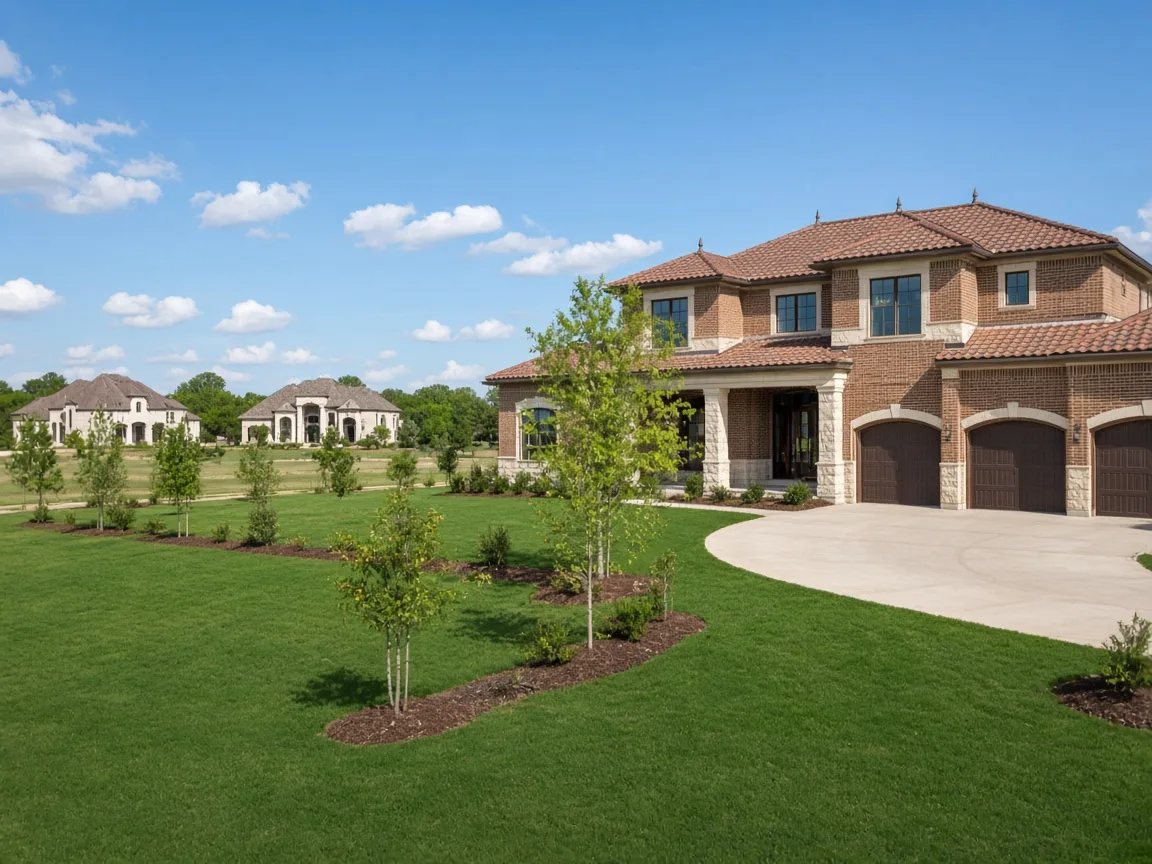
Large brick and stone custom homes on generous lots around Southlake Town Square.

Westlake
Gated estate communities with large custom homes on acreage lots.
Northlake
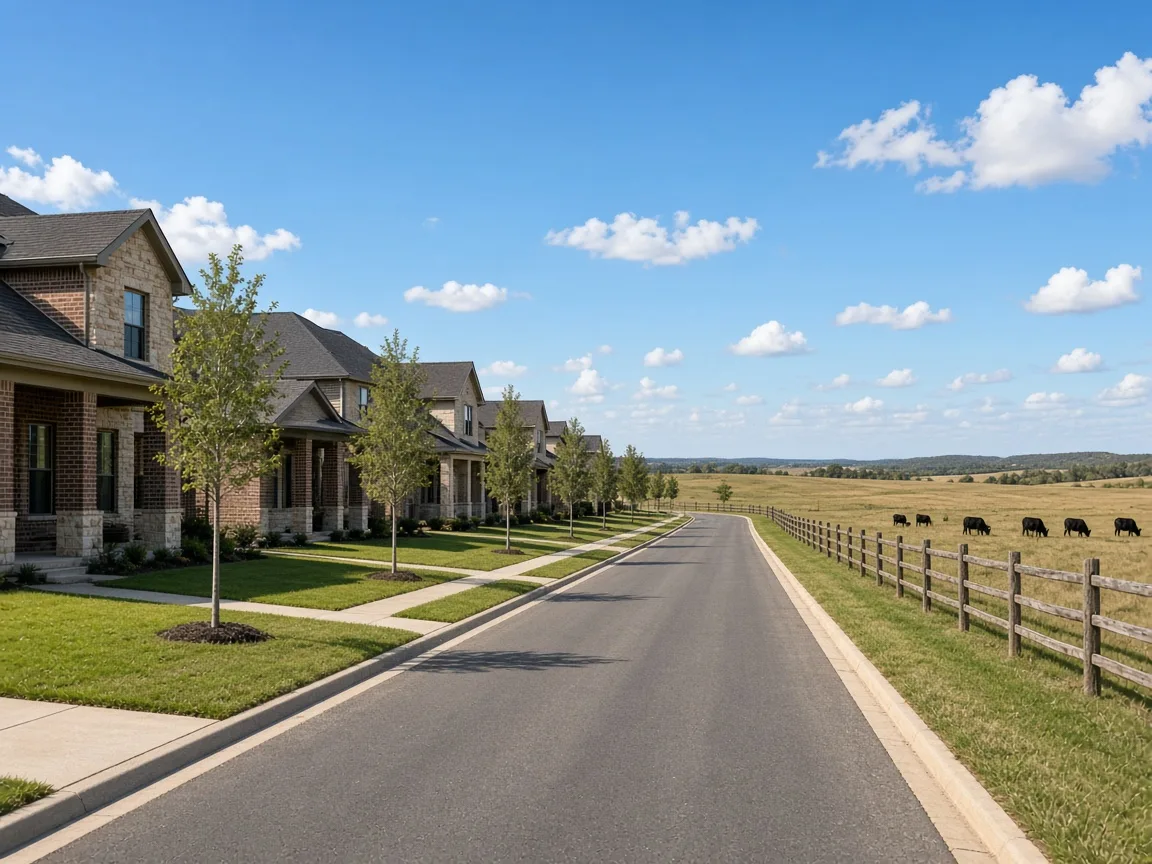
Newer master-planned communities beside preserved ranch land along the Alliance corridor.
WORK WITH ME
Buying or Selling in Keller?
Whether you are buying or selling, the first step is a simple, no-pressure conversation.
817-939-6584 · No pressure, no obligation.
Written by
Aaron Kinn
I am the founder and lead advisor of The Kinn Team, based in Keller and serving the entire Dallas-Fort Worth Metroplex. For over 25 years I have guided more than 3,100 families through their moves, and running the full monthly number, insurance, taxes, and maintenance included, before anyone tours is one of the quietest ways I protect a buyer.